
Maximize every inch with creative bar concepts that blend function, flair, and space-saving innovation.
Designing a stylish bar in a small space can feel challenging, especially in New York, where compact living is the norm and every square inch counts. But with the right approach, even the tiniest corner can transform into a chic, functional bar that elevates your home or commercial space. From clever storage solutions to sleek minimalist styling, today’s design trends prove that big impact doesn’t require a big space.
Whether you're outfitting a compact Brooklyn café or a tight hospitality nook, these small bar design ideas will help you maximize style without compromising on function.
Understanding Small Bar Spaces
Before diving into design ideas, it’s important to understand what truly defines a small bar space and how to make the most of it.
Typical dimensions and challenges of designing a small bar
Small bar spaces generally range from 24 to 48 inches in width for residential setups and 4-6 feet for compact commercial bars. This size provides just enough room for essential storage, a prep surface, and minimal equipment. Depth can be equally tight, often limited to 18–24 inches, which makes every inch of vertical and horizontal space essential.
Balancing aesthetics with practical needs, like ventilation, lighting, and accessibility, becomes challenging due to the limited square footage. It can also restrict the placement of appliances, reduce storage capacity, and make workflow less efficient. Despite these constraints, thoughtful planning and clever design solutions can turn even the smallest bar into a standout feature.
Key considerations: space optimization, storage, flow, and ambiance
Designing an effective small bar means focusing on four core elements that shape both function and style. Space optimization comes first, and every inch should serve a purpose. This includes everything from slimline countertops to multifunctional fixtures. Storage is equally important in compact setups, which require smart solutions like floating shelves, built-in cabinetry, and hidden compartments that keep essentials accessible without creating clutter.
A well-designed bar also depends on smooth flow. This means arranging components so movement feels natural, whether mixing drinks, entertaining guests, or navigating a tight space. Finally, ambiance ties everything together. Lighting, materials, and color choices play a huge role in making a small bar feel inviting, modern, and cohesive. When these key considerations work in harmony, even the smallest bar can deliver a big, memorable impact.
The importance of defining the bar’s purpose (entertaining, relaxing, professional use)
Before designing a small bar, one of the most important steps is identifying its primary purpose. A bar intended for entertaining will look and function differently from one designed for quiet relaxation or professional use. This clarity guides every design choice from layout and seating to storage, lighting, and equipment.
For example, a compact New York bar like a Lower East Side cocktail nook might prioritize professional workflow: streamlined back-bar shelving, efficient station layouts, and focused lighting that supports fast-paced service. Meanwhile, a small home bar in a Brooklyn apartment may emphasize relaxation, featuring warm lighting, comfortable seating, and a simplified setup designed for slow evenings.
Defining your bar’s purpose early ensures the design supports the experience you want to create.
Space-Saving Layout Ideas
With the bar’s function clearly defined, it’s time to explore layout ideas that make small spaces feel bigger and smarter.
Wall-Mounted Bar Units
Wall-mounted bar units are one of the smartest solutions for small spaces, which offer functionality without occupying valuable floor area. These compact systems can range from simple floating shelves to fully integrated fold-down units that open into a mini workspace and close to a sleek panel when not in use.
A great idea is to incorporate built-in LED lighting, slim cabinetry, and minimalist finishes that add a stylish focal point without overwhelming the space. This makes them perfect for creating a functional, design-forward bar in even the tightest corners.
Corner Bars
Corner bars are an excellent solution for maximizing unused spaces in small homes or commercial venues. Placing the bar into a corner, you can create a functional and inviting area without disrupting the flow of the room. This layout works particularly well in New York apartments or cozy lofts, where every square foot counts. With the right lighting, materials, and accessories, a corner bar can turn an overlooked nook into a stylish centerpiece for entertaining or relaxing.
Under-Stair Bars
Transforming the space beneath a staircase into a bar is a clever way to utilize an area that often goes vacant. In small New York apartments or townhouses, under-stair bars can provide surprisingly plenty of storage and prep space without taking up on the main living area.
Turn the unused space under your stairs into a functional mini-bar by adding built-in shelving, a compact countertop, and hidden storage for appliances creating a stylish focal point that maximizes every inch of your home.
Kitchen Extension Bars
A kitchen extension bar is a practical and stylish way to integrate a small bar into your home without requiring extra square footage. In many New York apartments, where kitchens are often tight, a countertop that doubles into a bar area can create an effortless transition between cooking, dining, and entertaining.
These bars can feature overhangs for stools, compact storage for glassware and bottles, and sleek surfaces that match the existing kitchen design. It’s an ideal solution for casual entertaining, evening drinks, or even a quick breakfast spot in tight urban spaces.
Outdoor Mini Bars
Outdoor mini bars are a fantastic way to expand entertaining space, perfect for New York apartments with limited indoor rooms. These compact bars can provide a stylish setup for drinks without taking up too much floor area.
Keep your outdoor bar practical by using weather-resistant materials and adding a small fridge so everything you need stays cool and within reach. An outdoor mini bar can create a cozy, functional gathering spot that blends smoothly with your outdoor decor. Even in a tight urban setting, it transforms a small balcony or patio into a vibrant, social hub.
Design Styles for Small Bars
With layout and space-saving solutions in place, it’s time to explore design styles that bring personality and flair to your small bar.
Modern Minimalist Bar
A modern minimalist bar emphasizes clean lines, uncluttered surfaces, and functional simplicity, which makes it ideal for small spaces. Minimalist bars are perfect for urban dwellers who value efficiency, elegance, and a clutter-free aesthetic. Sleek countertops, hidden storage, and neutral color palettes help create an open, airy feel without sacrificing style or practicality.
It might feature a slim wall-mounted shelf, a fold-down countertop, and integrated LED lighting. This approach keeps the space feeling light and organized, while still providing all the essentials for entertaining.
Industrial-Inspired Bar
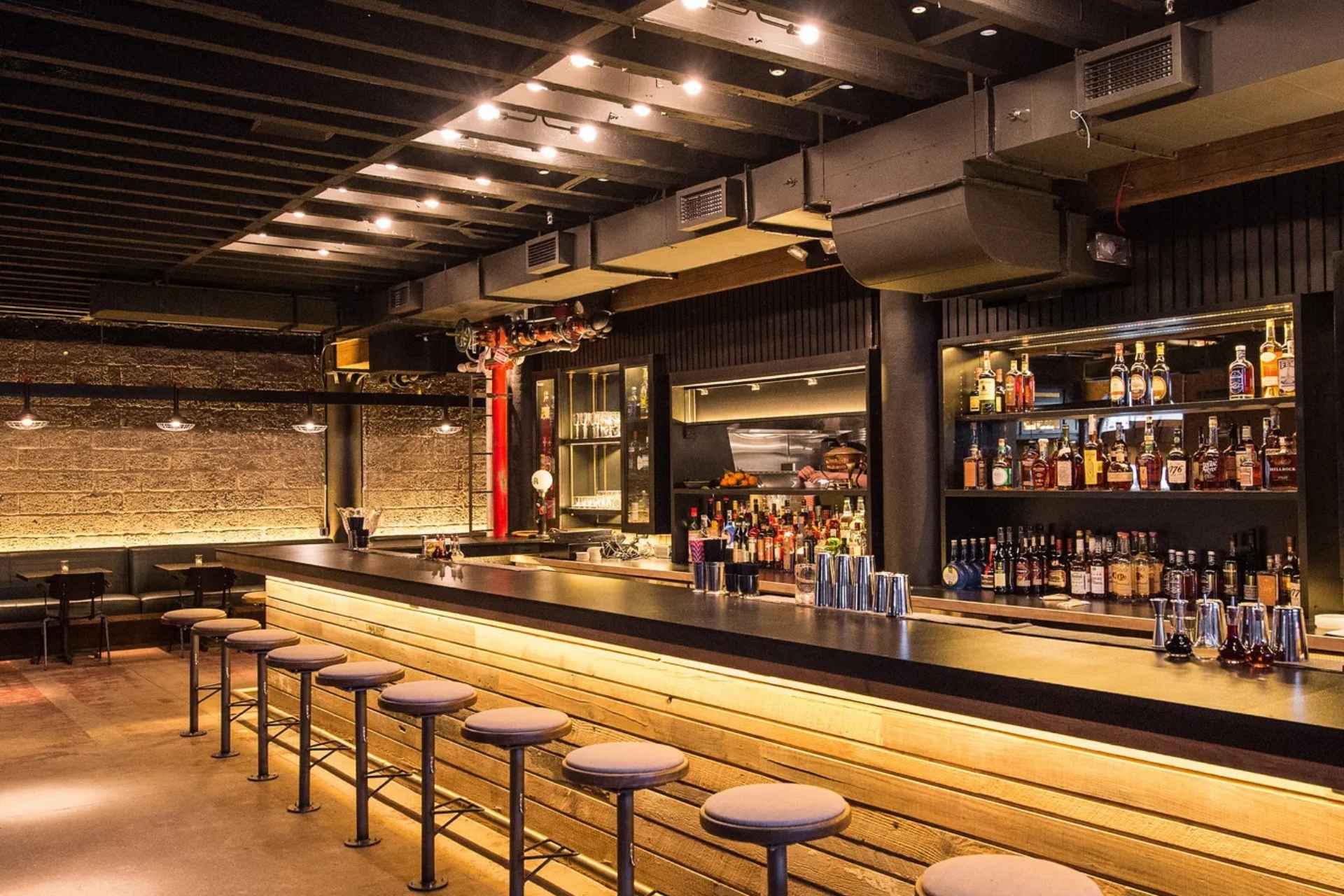
Industrial-inspired bars bring urban edge, character, and a touch of rugged charm to small spaces. This style emphasizes raw materials, exposed structures, and functional simplicity, which creates a modern yet inviting atmosphere even in tight areas. Key elements include exposed brick or concrete, metal shelving and fixtures, reclaimed wood countertops, and moody lighting like pendant or vintage-style bulbs.
A prime example in New York is Porchlight in Chelsea. The bar embraces the building’s warehouse roots with exposed brick walls, cast-iron columns, concrete floors, and salvaged-wood finishes, all balanced with comfortable seating and warm lighting.
Classic Wood Bar
A classic wood bar brings warmth, elegance, and timeless appeal to any small space. Rich wood tones, traditional paneling, and polished countertops create a cozy, friendly space that makes even small bars feel comfortable and welcoming.
Using wood for countertops, shelves, or wall panels can introduce texture and depth without overwhelming the space. Pairing warm wood with subtle lighting and compact furniture helps maintain an intimate, functional environment.
Contemporary Chic
A contemporary chic bar emphasizes sleek design, modern materials, and sophisticated simplicity, which makes it ideal for small, stylish urban spaces. Clean lines, glossy surfaces, glass or metal accents, and minimalist décor combine to create a bar that feels open, elegant, and up-to-date.
The contemporary chic approach works particularly well in small bars because it maximizes visual space, keeps clutter minimal, and focuses on a refined aesthetic.
Tropical or Boho Vibes
A tropical or boho-inspired bar brings vibrancy, texture, and relaxed energy to small spaces, making them feel playful, cozy, and inviting. Natural materials like rattan, wicker, bamboo, and jute, combined with colorful accents, patterned textiles, and greenery, create a lively yet intimate atmosphere.
Tropical and boho designs are perfect for small bars because they create a sense of escape and warmth. This makes compact urban spaces feel relaxed, playful, and welcoming for casual entertaining.
Lighting and Ambiance
The right ambiance can make even the smallest bar feel luxurious. Here’s how to achieve it with lighting and decor.
Layered lighting
Layered lighting is essential for creating a dynamic and inviting ambiance in a small bar. Combining different types of lighting; ambient, task, and accent, you can highlight key features, improve functionality. This makes the space feel larger and more intimate.
This approach not only enhances the aesthetic appeal but also allows the bar to adapt to different moods, whether hosting a lively gathering or enjoying a quiet evening. Layered lighting ensures that even a compact bar feels polished and versatile.
LED strips under counters or shelves
LED strips are a modern, space-saving way to add both style and functionality to a small bar. Placing them under countertops or shelves creates subtle, indirect lighting that highlights surfaces, bottles, or décor without taking up extra space. They are a versatile solution that enhances ambiance, emphasizes design features, and maximizes functionality; all essential in a compact bar setting.
The role of mirrors in creating a spacious illusion
Mirrors are a simple yet powerful tool for making a small bar feel larger and more open. Reflecting light and visually extending the space, they create the illusion of depth and brightness, which transforms compact areas into seemingly expansive environments.
Used strategically, mirrors combine function and design, which helps small bars maintain a sense of openness and sophistication without sacrificing style or practicality.
Choosing the right color temperature for mood
The color temperature of your bar lighting plays a key role in setting the atmosphere. Warm tones create a cozy and inviting environment perfect for relaxing evenings or intimate gatherings, while cooler tones give a modern, energetic feel ideal for lively entertaining. With the right color temperature, even a small bar can feel cozy and set the perfect mood.
Finishing Touches and Decor
From style to lighting, the foundation is ready; next, we’ll explore decor elements that make your small bar truly stand out.
Artwork, plants, and accessories that elevate the look
The right finishing touches can transform a small bar from functional to stylish, which gives it personality and visual interest. Artwork adds character and draws the eye, which creates focal points without taking up space. Plants bring life and freshness, soften hard surfaces, and introduce natural color and texture. Accessories like decorative glassware, stylish bar tools, unique coasters, or vintage accents can further enhance the ambiance while remaining functional.
Choosing stools and bar seating that save space
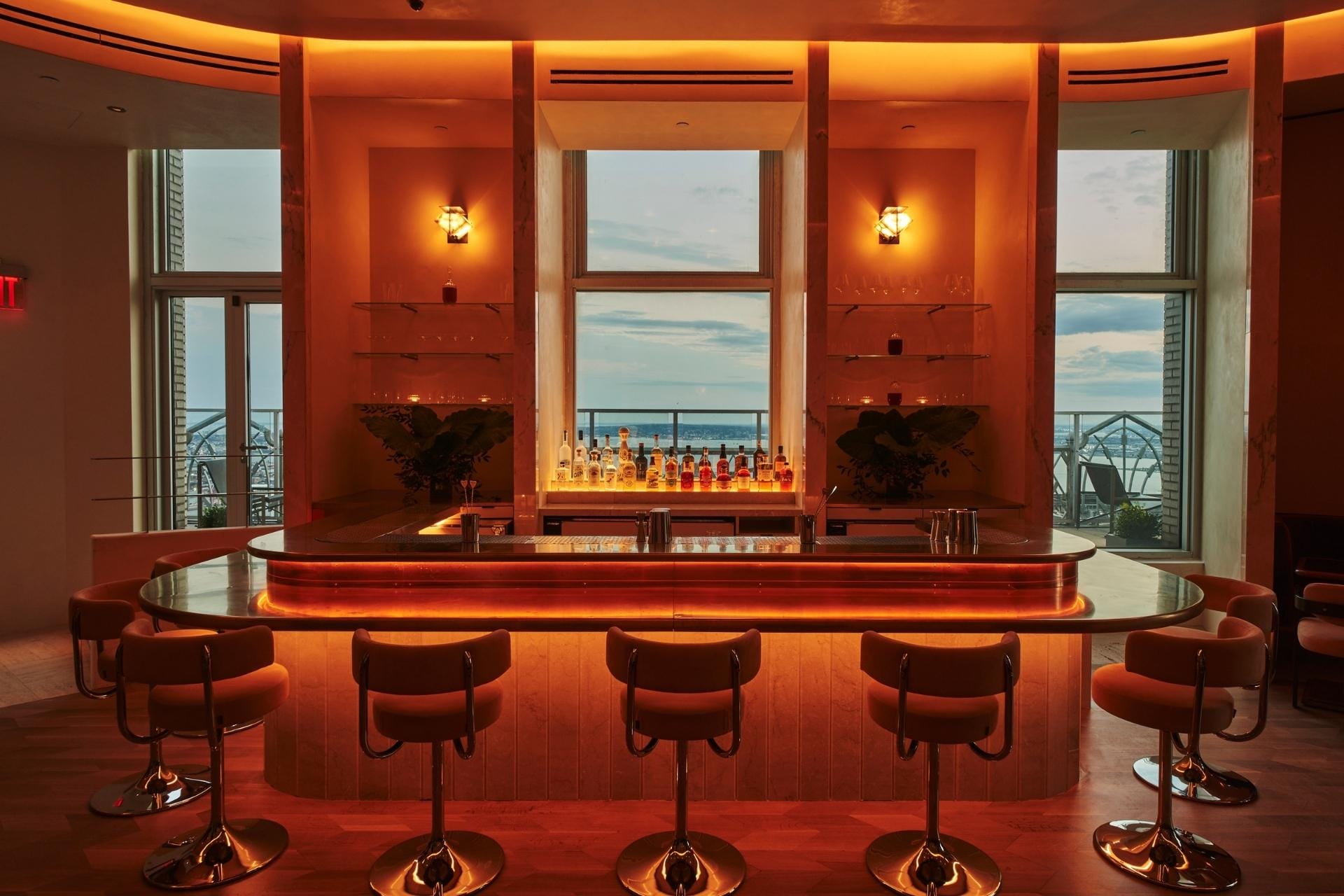
Selecting the right bar seating is essential in a small bar, where every inch counts. Slim-profile stools, backless designs, and stackable or foldable options allow for comfortable seating without overwhelming the area. Choose materials that are lightweight but durable, such as metal, acrylic, or slim wood, to maintain an open, airy feel.
Overstory in New York is an example of smart seating design in a bar that balances style, comfort, and physical efficiency. They use slim, tall stools around their back‑lit bar counters that don’t overwhelm the room visually, which keeps the layout open and airy.
Countertop materials: wood, marble, granite, or laminate
Choosing the right countertop material is essential for both style and functionality in a small bar. The material impacts durability, maintenance, and overall aesthetic, so selecting one that fits your space and lifestyle is key.
- Wood: Offers warmth and a classic, inviting look. Great for creating a cozy bar, but requires regular sealing to prevent stains and water damage.
- Marble: Luxurious and elegant, perfect for modern or contemporary designs. Needs careful maintenance to avoid etching or stains, but adds a sophisticated touch even in compact areas.
- Granite: Durable, heat- and scratch-resistant, and available in a variety of colors and patterns. Ideal for busy small bars where durability matters.
- Laminate: Affordable and versatile, with many colors and patterns. Lightweight and easy to install, which makes it a practical choice for apartments or temporary setups.
Using textures and colors to define the bar’s personality
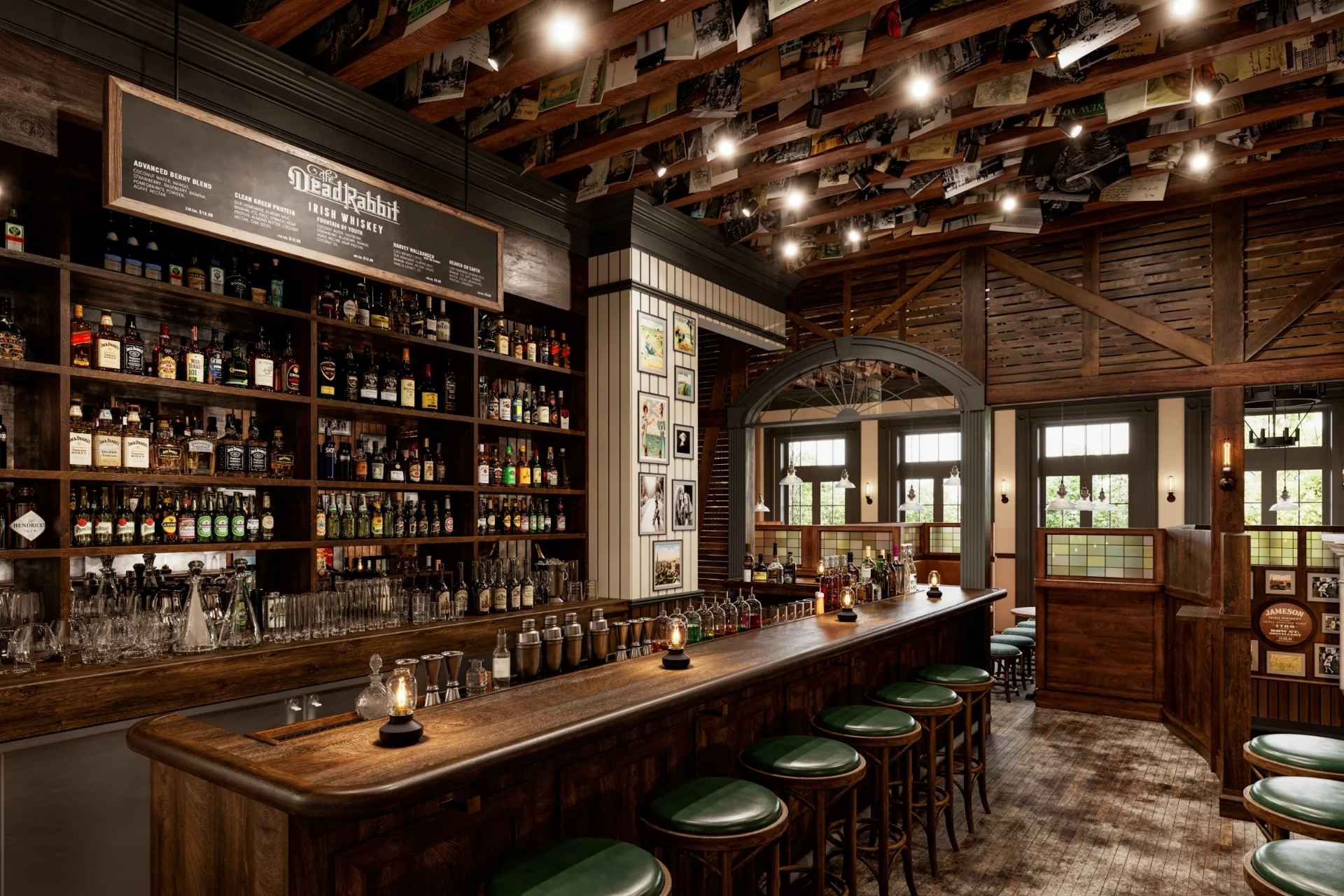
Textures and colors play a powerful role in giving a small bar its unique character. They can make the space feel cozy, lively, modern, or sophisticated. Layering different textures, like smooth marble, warm wood, woven rattan, or soft fabrics, adds depth and visual interest. Color choices also set the mood: dark, rich tones create an intimate, elegant vibe, while light or bold colors can make the area feel bright, energetic.
In New York, small bars like The Dead Rabbit use a blend of rich wood, brass accents, and warm color palettes to create a space that feels both luxurious and inviting, despite limited square footage.
Summary
Designing a small bar in a compact space requires strategic planning, creativity, and attention to detail. Dimensions, layout, style selections, lighting, and finishes each influence how functional and inviting your bar ultimately becomes.
Start planning your small bar today with Artistic Display. We are a commercial furniture installation expert in New York. We can help you create a space that’s as inviting as it is stylish because great design stands out even in small spaces.