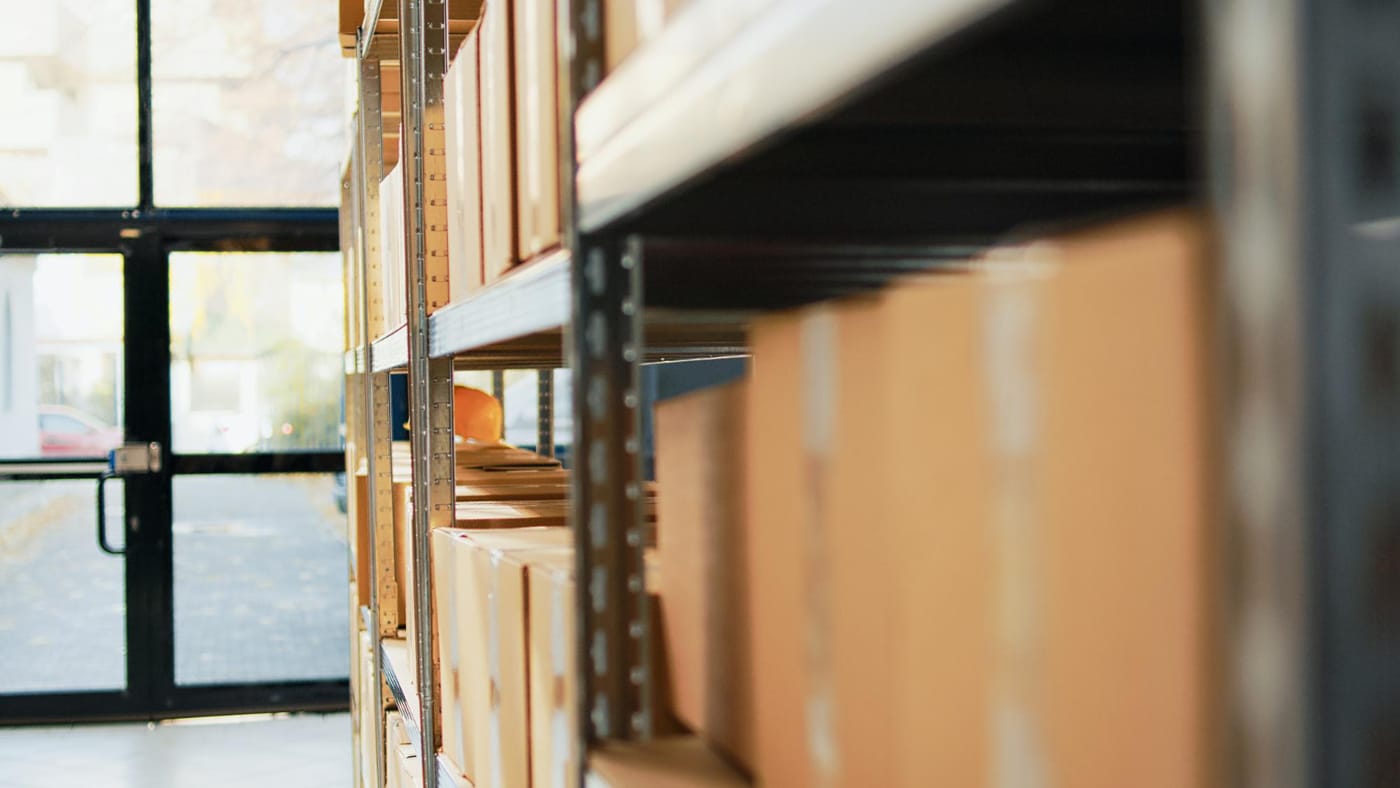
Retail shelving trends in 2026 focus on flexible, space-saving layouts, sustainable materials, and modular systems.
Retail shelving refers to the shelves and fixtures stores use to display and organize products for customers. Retail shelving may seem simple, but it greatly affects store layout and customer experience. The right shelves make spaces feel open and organized, while the wrong ones can feel crowded and confusing.
Today’s shelves go beyond holding items. They maximize space, guide shoppers, and can improve sales. Below, we break down the latest retail shelving ideas and trends to help you build a more organized, efficient, and customer-friendly store.
Why Retail Shelving Matters
Smart shelving makes your store look better and work more efficiently. It keeps products organized and helps you make the most of your space. Clear, well-arranged shelves mean customers can find what they want quickly.
For example, imagine a customer walking into your store looking for one specific item. If shelves are clearly labeled and neatly arranged, they can spot it right away and head straight to checkout. But if the space feels cluttered or confusing, they may get frustrated, leave early, or skip the purchase altogether.
What’s Shaping Retail Shelving Design in 2026
Retail shelving is evolving quickly, especially in busy cities like New York. Stores focus on flexible, space-saving designs, smart technology, and layouts that make shopping easier.
Trends include modular systems, vertical and wall-mounted shelves, interactive or tech-enabled fixtures, and sustainable, stylish materials. The main goals are simple: save space, make products easy to find, and create attractive displays that improve the shopping experience.
10 Retail Shelving Ideas and Trends to Try in 2026
Stores today are rethinking shelving to save space and guide shoppers. These 10 trends show how stores improve displays and shopping flow.
1. Modular and Adjustable Shelving
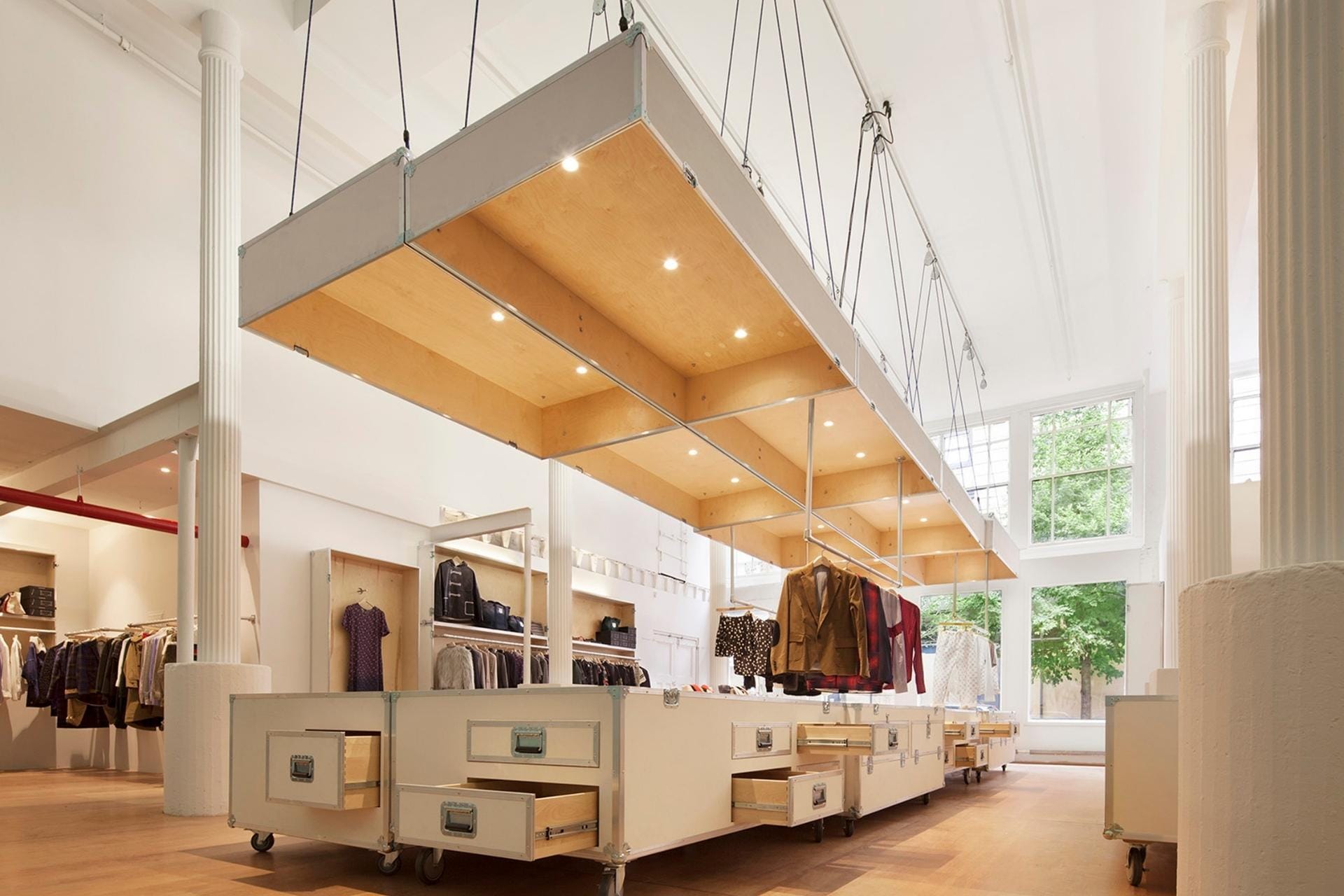
Modular shelving is made of separate units or pieces that can be stacked, shifted, or reconfigured. Stores often use lightweight materials or mobile bases so sections can be moved quickly.
At the Band of Outsiders store in SoHo, modular displays are built from upcycled road cases. This allows the team to easily rearrange shelves for new products or seasonal items without buying new fixtures.
2. Sustainable and Eco‑Friendly Materials
Shelves can be made from recycled or renewable materials like bamboo, reclaimed wood, or metal. Some stores repurpose old furniture or crates, such as wooden pallets, vintage cabinets, or storage boxes. This helps reduce waste and gives the space a stylish, eco-friendly look. It’s a simple way to design responsibly while lowering your environmental impact.
3. Smart Shelving with Technology
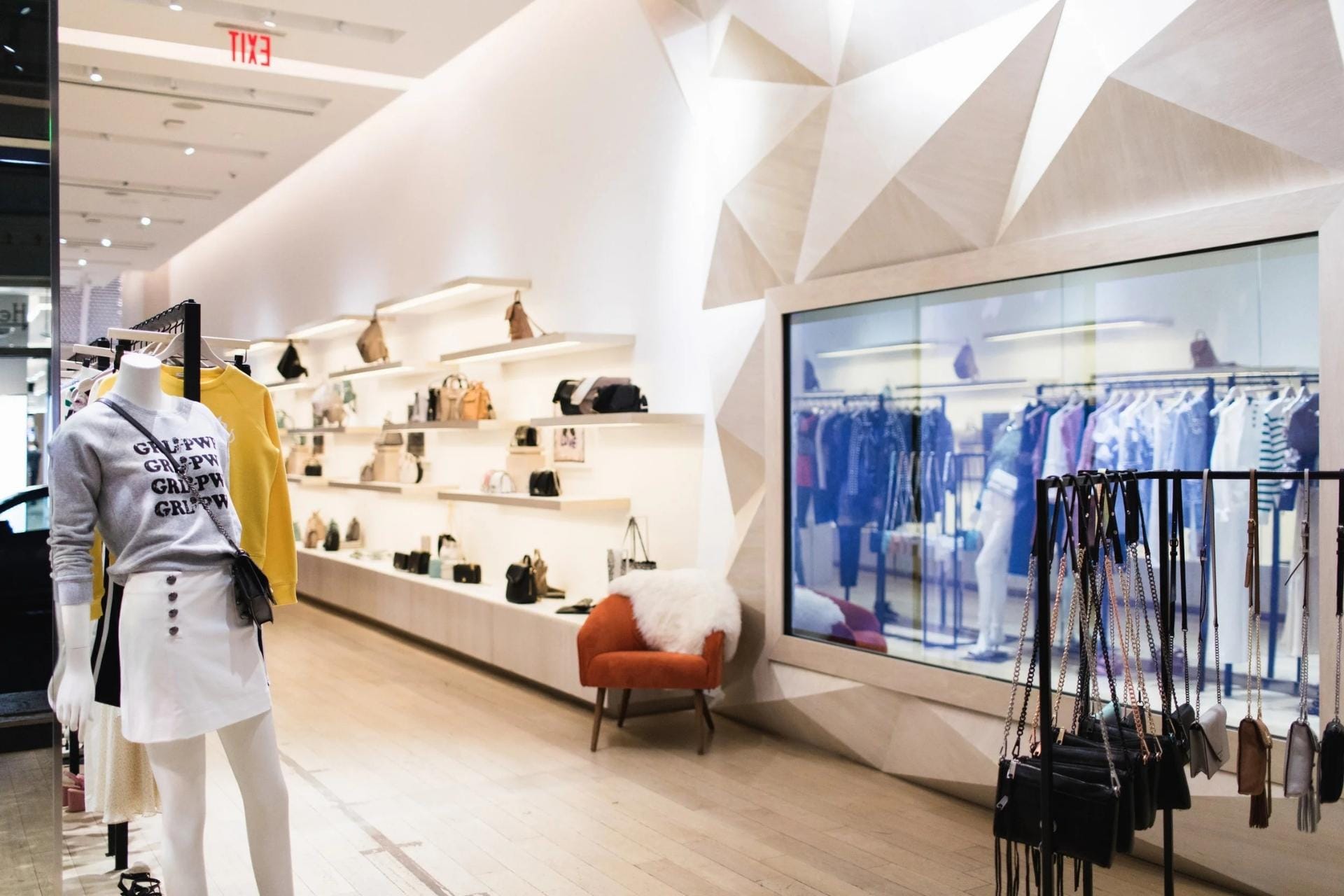
Smart shelving uses tech to make stores easier to manage and shop. Digital price tags update instantly, LED lights highlight products, and sensors track stock. Some shelves even have touchscreens for product info or recommendations.
The Rebecca Minkoff flagship boutique in Manhattan uses interactive touchscreens and RFID‑enhanced shelves to help customers browse and explore products quickly. The technology also tracks stock in real time, makes shopping easier, improves inventory accuracy, and can lead to faster purchases and higher sales.
4. Minimalist Open Displays
Minimalist shelving keeps products uncluttered and easy to see. Stores use simple, open shelves with plenty of space between items to make displays clean and organized.
Use light-colored shelves, remove unnecessary fixtures, and group products neatly. This draws attention to each item and makes the store feel more open.
5. Portable and Pop‑Up Fixtures
Portable shelving and fixtures are light and easy to move, which makes them perfect for pop-up shops, events, or seasonal displays. Stores use foldable racks, rolling units, and simple shelving systems that can be set up and taken down quickly without tools.
6. Vertical and Space‑Saving Designs
Vertical or wall-mounted shelves help you make the most of small spaces while keeping the floor open. Tall or stacked units let stores display more products without making the space feel crowded.
7. Interactive and Experiential Displays
Interactive shelving lets customers touch, try, and test products before they buy. Stores often add testers, demo areas, or small screens to make the experience more hands-on and engaging.
8. Mixed Material Shelving Styles
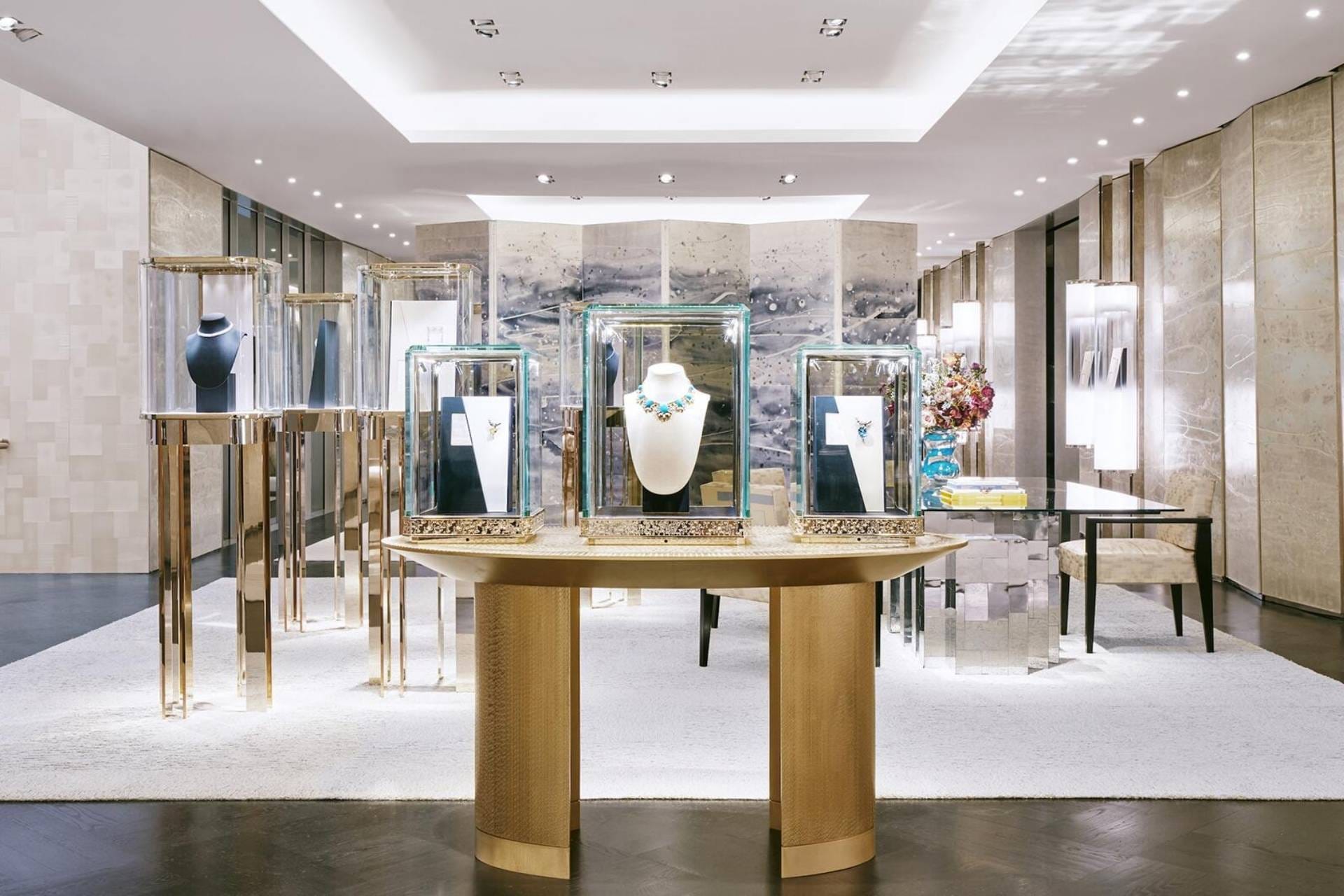
Shelves that combine wood, metal, and glass add style and texture. Stores use these combinations to create modern, high-end looks that highlight products beautifully.
At Tiffany & Co.’s flagship store in New York City, display cases and shelving blend wood, metal, and glass to showcase jewelry in an elegant, layered setting that feels both luxurious and accessible.
9. Mobile and Reconfigurable Units
Shelving on wheels or modular units can be moved easily to change layouts or highlight promotions, such as seasonal sales, product launches, or holiday displays. This allows stores to adapt quickly to events or seasonal items without costly renovations.
10. Custom Branded Shelving
Shelves designed with brand colors, logos, or unique shapes create a memorable store identity.
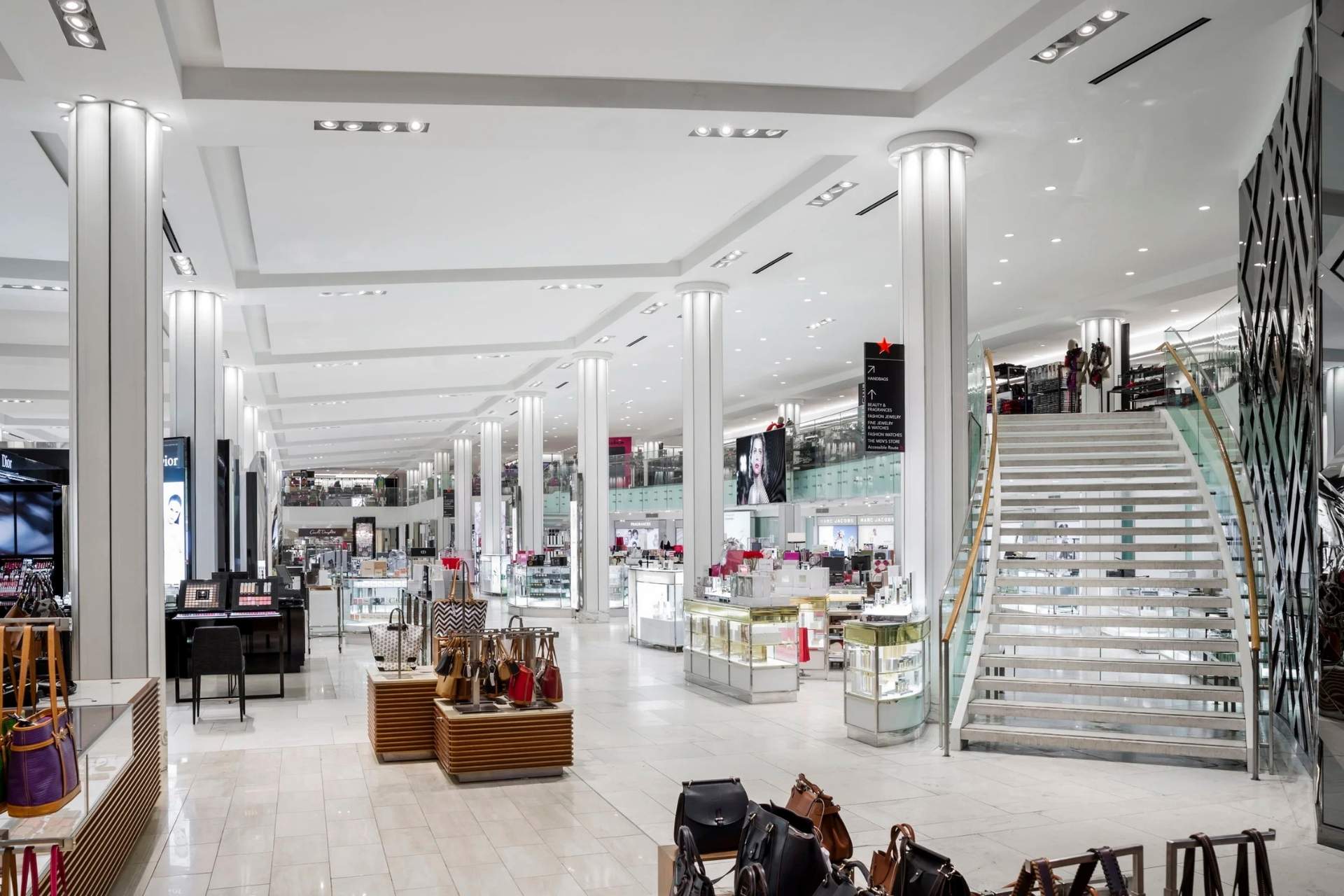
Macy’s Herald Square in New York City uses seasonal window displays and interior shelving to highlight themed merchandise. These eye-catching setups draw customers in, even before they step inside the store.
How to Choose the Right Shelving for Your Store
Choosing the right shelving means balancing space, style, and customer experience. To help you make the best choices, here are some practical tips:
Match Shelving to Your Space and Budget
Think about the size of your store and your budget. Tall or wall-mounted shelves save floor space, while modular or portable units offer flexibility for seasonal updates or new product layouts.
Balance Style and Function
Choose shelving that looks great while keeping products accessible and secure. Designs should reflect your brand and enhance the store’s overall aesthetic.
Focus on Customer Experience
Consider how shoppers interact with your shelves. When products are displayed clearly and neatly, customers can find what they want. This encourages purchases and repeat visits.
Summary
The right shelving shapes both how your store looks and how customers shop. Flexible, smart, or eco-friendly units save space, highlight products, and make shopping easier. Shelving that doesn’t fit your layout or brand can make the space feel cluttered, confuse shoppers, and reduce sales opportunities.
Make every shelf a statement with Artistic Display.
As New York’s trusted commercial furniture installation expert, we design, build, and install custom shelving and fixtures that enhance your store layout and showcase your brand vision.