Retail spaces are evolving and design is leading the change. Discover the trends shaping the next generation of in-store experiences.
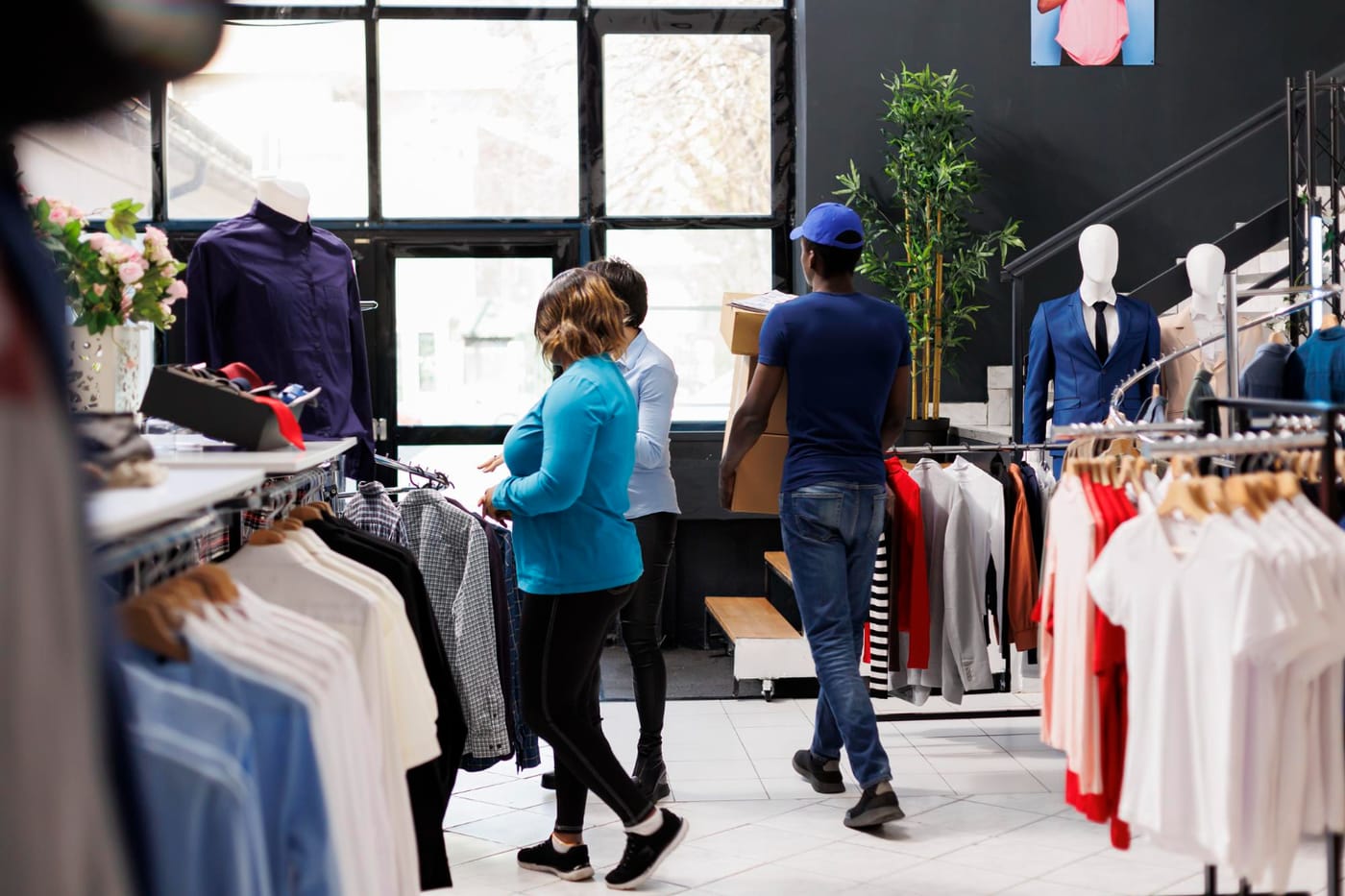
Have you ever walked into a store and felt excited just by looking around? Shoppers today want more than products - they want fun, memorable experiences. Stores are creating bright displays, interactive areas, and inviting spaces that make people want to explore and return.
This shift is especially evident in New York City. From SoHo flagships to Brooklyn boutiques, retailers are transforming their stores into experiential destinations.
This article explores the key retail design trends shaping modern in-store experiences.
Experience-Driven Store Design
The most successful stores today aren’t just selling products - they’re creating experiences that captivate and inspire shoppers.
Creating immersive, memorable shopping environments
Creating immersive, memorable shopping environments is at the heart of experience-driven retail design. Shoppers today aren’t just buying products. They want stores that engage their senses and make the experience memorable.
Use focused lighting to highlight key areas and featured products. Choose textures and materials that feel good to touch and invite interaction. Keep displays clean and well-curated to avoid visual clutter.
Sensory design: lighting, sound, scent, and texture
Thoughtful lighting can highlight products and create a welcoming atmosphere. Background music sets the mood and influences how people feel in the store. Pleasant scents can make a space feel inviting and memorable. Textures, from smooth countertops to soft fabrics, encourage touch and exploration.
Retail as a destination, not just a point of sale
Today’s stores are destinations where people want to spend time and enjoy the experience. Retailers are designing spaces that invite visitors to explore, relax, and interact with the brand, rather than rushing to the checkout.
When a store becomes a destination, it encourages repeat visits, builds stronger customer loyalty, and turns everyday shopping into a fun experience people look forward to.
Flexible & Modular Store Layouts
A key trend in retail design is creating flexible, modular store layouts that can adapt to changing products, seasons, and customer needs.
Adaptable floor plans for changing merchandise
Modern retail spaces need to be flexible to keep up with changing products and seasonal trends. With adaptable floor plans, stores can easily rearrange shelves, displays, and fixtures to highlight new merchandise or create fresh layouts for special events.
This flexibility not only keeps the shopping experience interesting for customers, but also allows retailers to respond quickly to trends and customer preferences.
Modular fixtures and movable displays
Using modular fixtures and movable displays gives retailers the flexibility to change their store layout whenever they need. These pieces can be easily rearranged to highlight new products, create seasonal setups, or refresh the shopping experience without a full renovation.
Movable displays make it easy for stores to try new layouts that guide customers smoothly through the space.
Designing for pop-ups, events, and seasonal shifts
Retail spaces that are designed to adapt for pop-up shops, special events, or seasonal displays can keep customers excited and engaged year-round.
Planning ahead for these changes, retailers can create fresh, dynamic experiences that encourage repeat visits, and keep the shopping environment feeling new and interesting.
Sustainable & Eco-Conscious Design
Sustainability is taking center stage in retail design, with stores focusing on eco-conscious solutions.
Use of recycled, reclaimed, and low-impact materials
More retailers are choosing recycled, reclaimed, and low‑impact materials as part of sustainable, eco‑conscious design. Using these materials brings character and visual warmth to retail spaces.
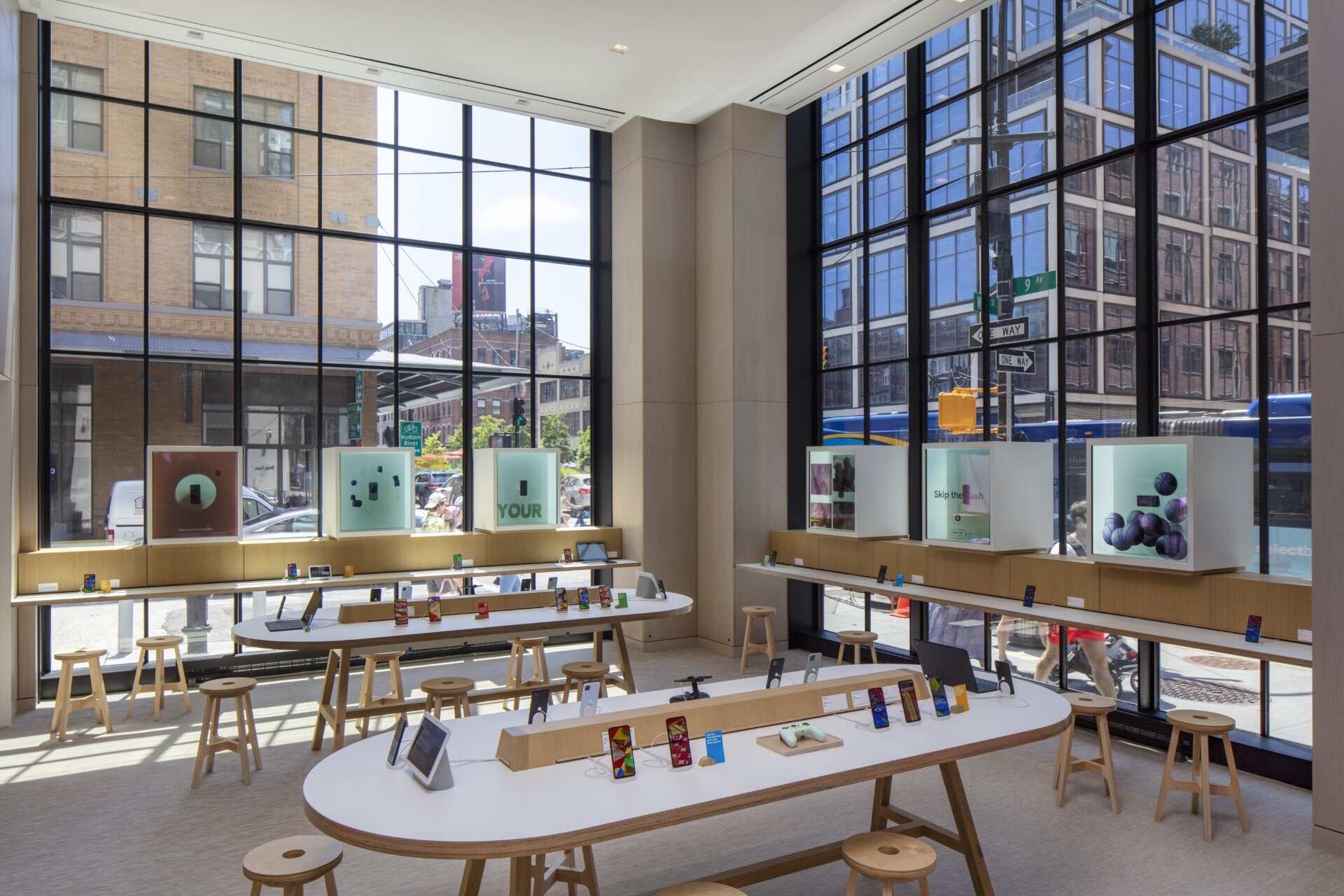
A great example is the Google Store in Chelsea, New York City, which was designed to meet high sustainability standards with materials such as cork furniture, flooring made from 100 % recyclable content, and low‑VOC wall panels.
Contactless checkout and mobile integration
Technology is transforming the way people shop, and contactless checkout is at the forefront of this change. Mobile payment systems, self-checkout stations, and QR code scanning support quick and contactless transactions.
Integrating mobile apps into the shopping experience also helps stores offer personalized promotions, track loyalty rewards, and guide customers through the store.
Blending digital convenience with physical design
Modern retail spaces are finding ways to combine the best of online shopping with the in-store experience. Interactive screens, smart mirrors, and mobile apps let customers check product information, see reviews, or even customize items while exploring the store.
Digital signage can guide shoppers through the space or highlight promotions in real time. A well-designed layout makes the experience feel natural and enjoyable.
Minimalism with Purpose
Minimalism in retail design is no longer about empty spaces, but about intentional choices that enhance the shopping experience.
Clean layouts that highlight products
Minimalist retail design focuses on keeping store layouts simple and uncluttered so that the products take center stage. Strategic placement of shelves, displays, and fixtures directs attention to key items.
Open spaces and organized shelving make it easier for shoppers to find what they’re looking for. Clean layouts not only improve the shopping experience but also help products stand out.
Intentional use of negative space
The empty areas around products and displays is an important part of minimalist retail design. Leaving room around items helps them stand out and makes the store feel open and organized rather than cluttered.
This “less is more” approach allows customers to focus on what matters, highlights key products, and creates a calm, enjoyable shopping experience. When used thoughtfully, negative space adds balance, elegance, and clarity to a store’s overall design.
Focus on craftsmanship, materials, and quality over quantity
Minimalist retail trends focus on craftsmanship and quality. Stores highlight carefully made products and well-crafted interiors rather than filling space with many items. This creates thoughtful, elevated shopping environments where each piece feels special and worth discovering.
Local Influence & Authentic Design
Bringing in local art, materials, and design elements is a growing trend that helps stores stand out and feel authentic.
Incorporating local culture, art, and materials
Many modern retailers bring local community and culture into their store design, which creates spaces that feel authentic, unique, and connected to their surroundings. Incorporating local art, materials, and neighborhood-inspired design gives stores a distinctive identity.
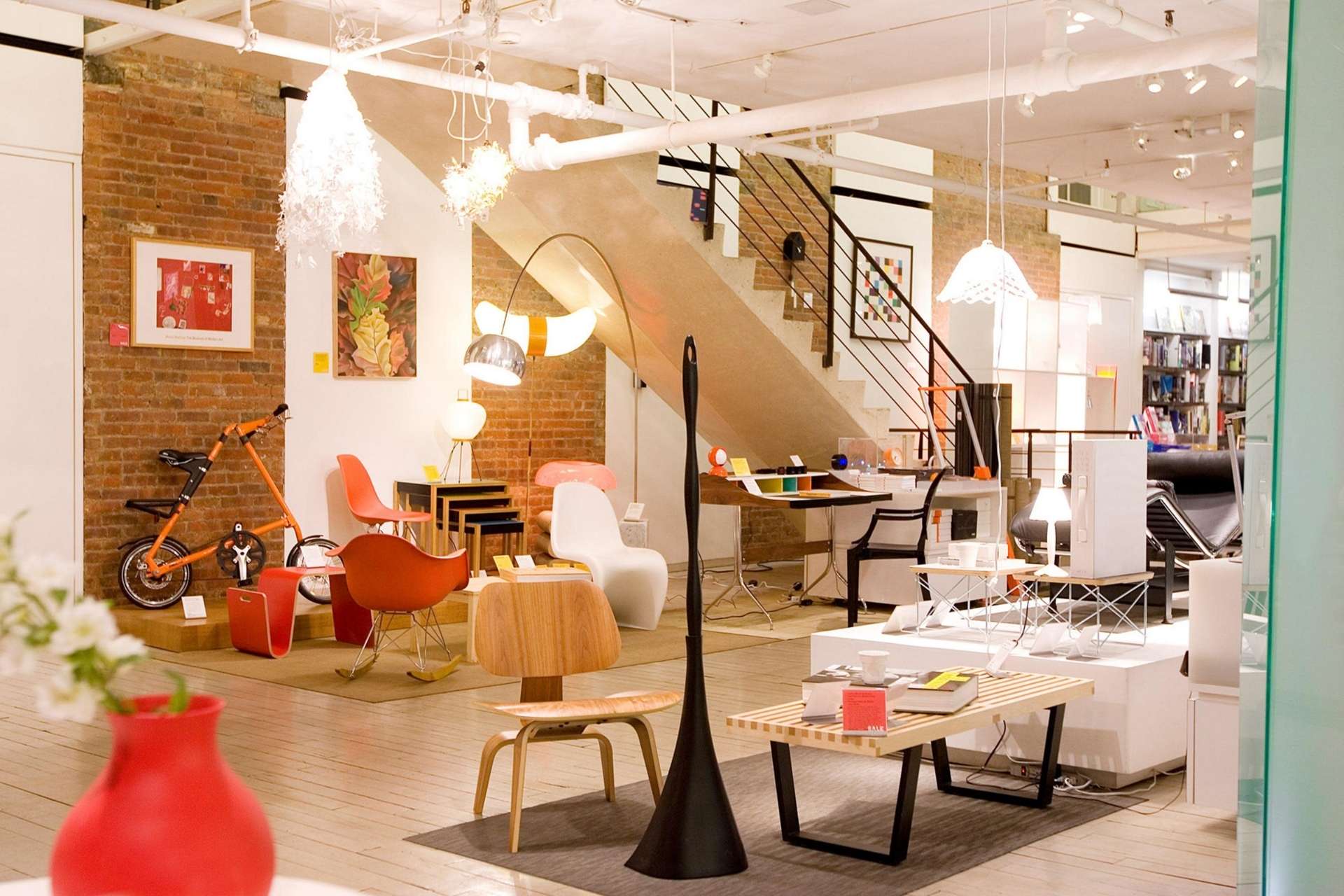
A great example is the MoMA Design Store in Manhattan, which showcases work from New York–based artists and designers and presents retail spaces with gallery-style displays.
Neighborhood-driven aesthetics
More brands are designing stores that reflect the character and style of their neighborhoods. From the choice of materials and colors to local artwork and signage, these elements help stores feel like a natural part of the community.
In New York, for example, boutiques in SoHo often feature industrial-chic interiors with exposed brick and reclaimed wood, reflecting the area’s artistic and historic vibe. Stores inspired by their surroundings create authentic, memorable experiences for locals and visitors.
Designing stores that feel personal and community-focused
Retailers are creating spaces that go beyond selling products to foster a sense of community and personal connection. This can include areas for local events, spots to meet and socialize, or displays that showcase local makers and artists.
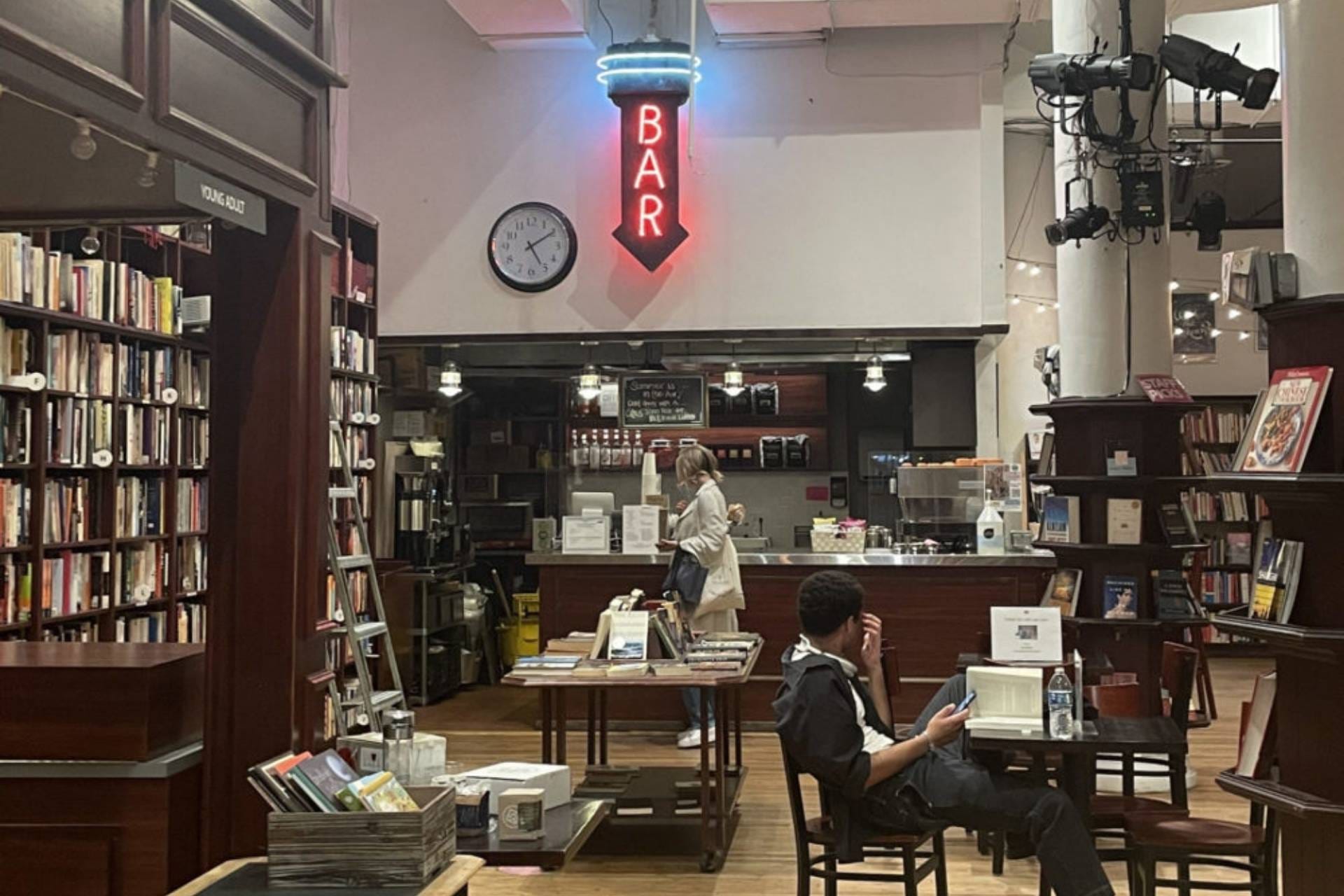
Stores like Housing Works Bookstore Café in SoHo, combine shopping with community engagement, offering book sales alongside events that support local causes.
Biophilic & Wellness-Inspired Retail Spaces
Incorporating natural elements and wellness-focused design is becoming a key trend in creating inviting retail spaces.
Natural light, greenery, and organic materials
Natural elements are being used more often to create calming and inviting retail spaces. Large windows and skylights let in plenty of sunlight. Plants, living walls, and natural textures bring a sense of the outdoors inside. Materials like wood, stone, and cork add warmth and authenticity to the store environment.
Designing calm, stress-reducing environments
Retail spaces that focus on wellness aim to make shopping a relaxing and enjoyable experience. Soft lighting, comfortable seating, quiet zones, and uncluttered layouts help reduce stress and create a sense of calm. Some stores even include soothing scents, gentle background music, and areas for mindfulness or pause.
Wellness as a growing priority in retail design
Today’s shoppers are increasingly looking for experiences that support their well-being, and retailers are responding by making wellness a key part of store design.
Bold Branding & Statement Features
From dramatic entrances to standout displays, retailers are creating spaces that make a strong impression and showcase their brand personality.
Accent walls, custom furniture, and signature elements
Bold design features help create a strong brand presence and make stores more memorable. Accent walls in bright colors or unique textures draw attention and set the tone for the space. Custom furniture adds personality and reinforces the brand’s identity.
Signature elements, such as iconic lighting, branded displays, or one-of-a-kind art installations, give shoppers something to remember and photograph, which creates buzz both in-store and online.
Color psychology in retail environments
Colors play a powerful role in shaping how customers feel and behave in a store. Warm colors like red and orange can create energy and excitement, while cooler tones like blue and green promote calm and relaxation. Using color in walls, displays, and signage helps stores set the vibe, make products stand out, and guide shoppers around.
Designing Instagram-worthy moments
Visually striking features and displays invite customers to take photos and share their experience on social media. From bold signage and unique product arrangements to creative lighting and interactive installations, these “photo moments” help a store stand out online and attract new visitors.
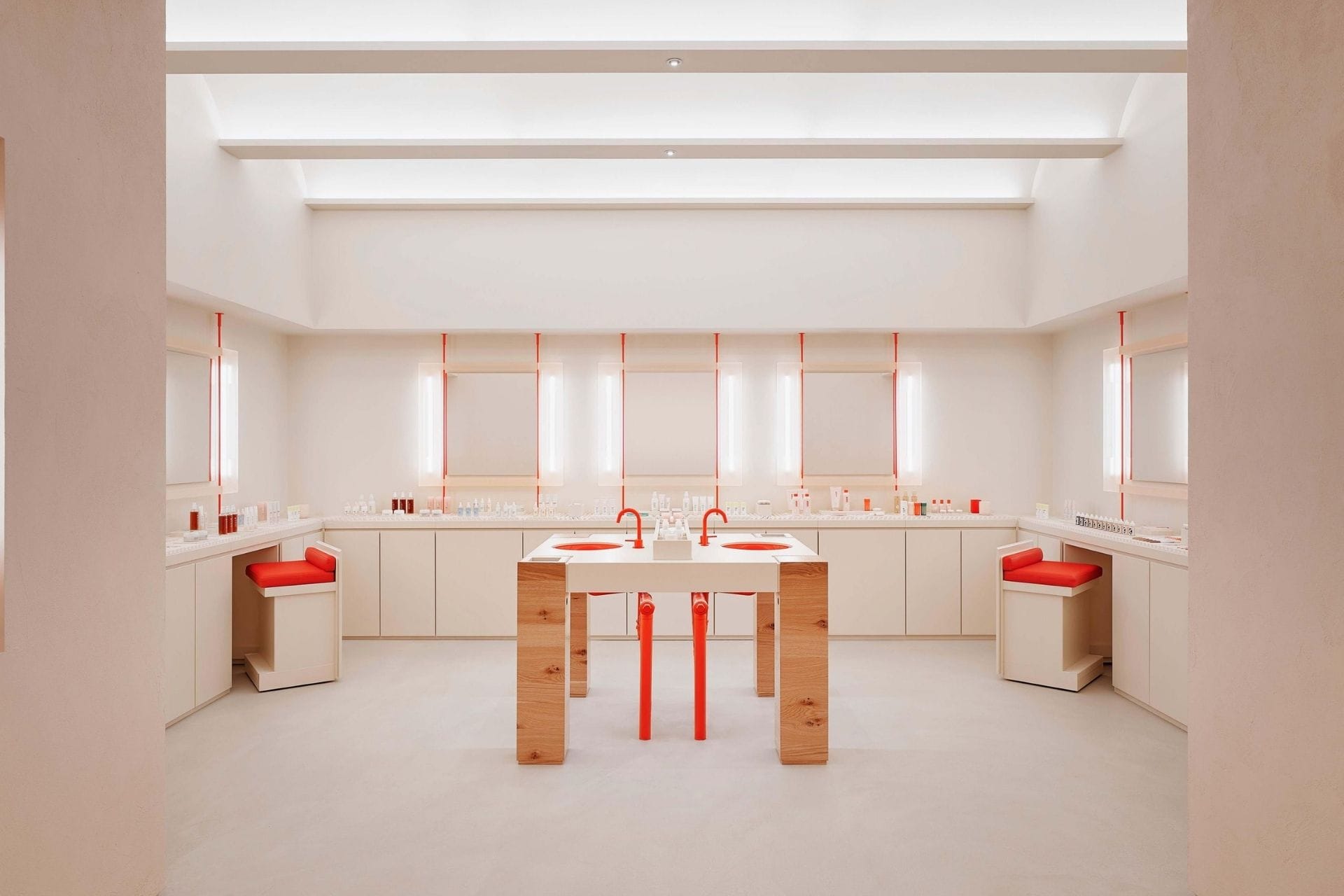
The Glossier SoHo store is designed with social media in mind. Featuring bold colors, playful textures, sculptural details, and interactive product displays. Every corner feels intentional and photo-ready, which encourages visitors to take pictures and share their experience online.
The Future of Retail Design
Looking ahead, retail design continues to evolve. Blending technology, sustainability, and immersive experiences to meet the changing needs and expectations of shoppers.
Blending physical and digital experiences
The future of retail is all about creating seamless connections between in-store and online shopping. Retailers are integrating digital tools like interactive kiosks, augmented reality, and mobile apps to enhance the physical environment.
These features allow customers to explore products, access personalized recommendations, and make purchases both in-store and online.
Designing for changing consumer behaviors
Shoppers today have different expectations than ever before, and retail design is evolving to keep up. Flexible layouts, modular displays, and adaptable spaces allow stores to respond quickly to trends, seasonal products, and shifting customer needs.
Features like contactless checkout, mobile integration, and experiential zones cater to convenience, engagement, and personalization.
How brands can stay ahead with thoughtful design
To remain competitive, brands need to approach retail design strategically and thoughtfully. This means understanding customer needs, staying on top of emerging trends, and creating spaces that are both functional and memorable.
Thoughtful design can include flexible layouts, immersive experiences, sustainable materials, and visually striking features that reflect the brand’s identity.
Summary
Retail design is constantly evolving, driven by trends that prioritize experiences, sustainability, wellness, and bold, memorable aesthetics. From immersive sensory elements and flexible layouts to neighborhood-inspired details and Instagram-worthy moments, thoughtful design helps stores connect with customers on multiple levels.
Looking to make your store truly stand out? Artistic Display specializes in custom furniture installations that bring creativity, functionality, and personality to any retail space. We can help you elevate your store, and strengthen your brand identity.