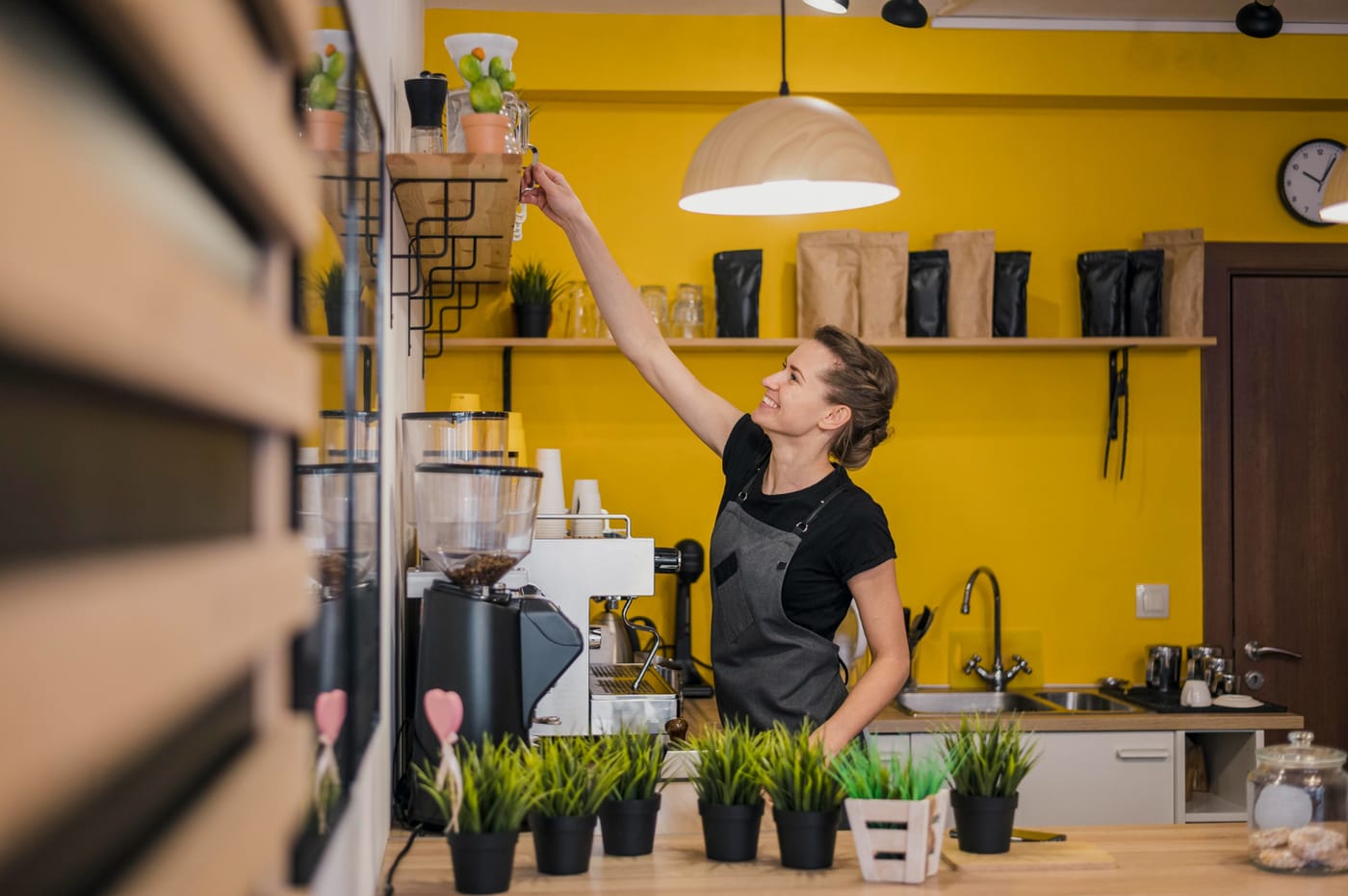
Maximize every square foot with thoughtful design strategies that balance style, storage, and function
In crowded urban environments where space is hard to get, design is shaped by the need to do more with less. Nowhere is this more evident than in New York, where compact apartments and commercial spaces demand thoughtful layouts, smart storage, and intentional styling.
Decorating small spaces requires a careful balance of creativity and strategy. With thoughtful layouts, intentional color choices, and multi-functional furnishings, even the tiniest rooms can feel open, stylish, and totally functional.
This guide explores practical design tips to help you maximize both style and function, no matter the size of your space.
Understand Your Space Before Decorating
Before diving into décor and furniture choices, take a step back and get to know your space, how it flows, and what it truly needs.
Measure everything (twice)
Accurate measurements are one of the most important steps when decorating small spaces. Knowing the exact dimensions of your room, doorways, windows, and ceiling height ensures that furniture fits comfortably and that your layout will work as planned.
Taking the time to measure carefully allows you to make smart design choices, maximize functionality, and create a space that feels balanced and well thought out.
Identify the space’s primary purpose
Clearly identifying the space’s primary purpose helps guide every design decision that follows. Whether a room is used for relaxing, working, or entertaining, a clear sense of purpose keeps the design focused and functional.
Choose the Right Color Palette
Once the foundation is established, color becomes a powerful tool for shaping how a small space feels.
Light colors to open up the space
Light colors play a key role in making small spaces feel larger and more open. Soft neutrals, pale pastels, and airy whites reflect natural and artificial light. For instance, you could paint the walls a soft cream and add pale blue accents through pillows, rugs, or décor.
When used on walls, ceilings, and larger furniture pieces, lighter tones can make a room feel brighter, calmer, and more spacious. It provides a clean backdrop that allows décor and textures to shine without overwhelming the space.
Use color continuity
Using color continuity is a simple but powerful way to make small spaces feel cohesive and visually expansive. Using the same color palette throughout connected areas helps the space flow better and keeps it from feeling disconnected.
In many well-designed New York apartments, for example, soft neutrals or muted tones are carried from the living area to the kitchen and bedroom. This strategy not only enhances style but also maximizes the perception of space.
Furniture That Works Harder
Once the palette is set, it’s time to focus on furniture that does more than just fill the room, pieces that work harder for your space.
Multi-functional furniture
Multi‑functional furniture is a game‑changer in small spaces, especially in city homes where every square foot matters. Pieces that serve more than one purpose, like a sofa that converts to a bed, a coffee table with built-in storage, or a dining table that folds away, help you get maximum utility without overcrowding the room.
These versatile furnishings not only save space but also make everyday living more flexible and stylish. This proves that smart design can elevate both form and function in compact settings.
Scale and proportion matter
In small spaces, attention to scale and proportion is essential for creating a balanced and comfortable environment. Oversized furniture can overwhelm a room, while pieces that are too small can feel lost and cluttered.
Choosing items that fit the size of the space and arranging them thoughtfully, helps maintain visual harmony and makes the room feel open rather than cramped. For example, designers often pair a compact sofa with a modest coffee table and slim-profile chairs.
Smart Storage Solutions for Small Spaces
With the right furniture in place, the next step is incorporating smart storage solutions that keep small spaces organized and clutter-free.
Vertical storage ideas
When floor space is limited, vertical solutions offer a smart way to add storage while keeping the room open and uncluttered. Tall shelving units, wall-mounted cabinets, and floating shelves draw the eye upward. This creates the illusion of height while keeping essentials organized and accessible.
Hidden and built-in storage
Hidden and built-in storage is a game-changer for small spaces, as it allows you to keep clutter out of sight while maintaining a clean, streamlined look. Think under-bed drawers, stair-step cabinets, or built-in benches with concealed compartments, solutions that make every inch of space work harder.
These clever storage strategies not only free up floor space but also make small rooms feel more open, organized, and thoughtfully designed.
Lighting Tricks to Make Small Spaces Feel Bigger
With storage solutions in place, strategic lighting becomes key to enhancing the sense of space and keeping small rooms bright and inviting.
Layer your lighting
Layering your lighting is a design trick that helps small spaces feel larger, more dynamic, and inviting. Instead of relying on a single overhead fixture, combine ambient light (general illumination), task light (for reading or working), and accent light (to highlight décor or architectural features) to create depth and visual interest.
A great real-world example can be seen in Grand Central Terminal in New York City, where layers of chandeliers, wall lights, and natural light work together to highlight its impressive architecture.

This thoughtful use of lighting helps the space feel both striking and welcoming, even with its tall ceilings and constant flow of people.
Maximize natural light
Maximizing natural light is one of the simplest and most effective ways to make a small space feel bigger, brighter, and more welcoming. Keep windows unobstructed by heavy drapes, choose sheer or light‑filtering treatments, and arrange furniture so it doesn’t block the path of daylight.
Allowing natural light to fill the room enhances the sense of openness, brightens colors, and reduces the need for artificial lighting.
Common Small-Space Decorating Mistakes to Avoid
Even with design strategies in place, it’s equally important to be aware of common mistakes that can make small spaces feel cluttered or cramped.
Too much furniture
One of the most common mistakes in small-space decorating is overcrowding the room with too much furniture. Large or excessive pieces can make even a well-designed space feel cramped and cluttered. A simple, intentional layout helps create a space that feels open, functional, and stylish.
Ignoring storage needs
A common small-space decorating mistake is overlooking storage needs. Without enough thoughtfully planned storage, clutter can quickly take over. Planning for storage from the start ensures that belongings have a place, keeps surfaces clear, and helps the space stay organized, functional, and visually appealing.
Blocking light sources
Blocking natural light is a frequent mistake that can make small spaces feel darker and more confined. Placing large furniture in front of windows and hanging heavy drapes, or overcrowding a room with bulky items, can prevent sunlight from filling the space. When natural and artificial light sources remain unobstructed, small rooms feel brighter, more inviting, and visually more spacious.
Using heavy patterns everywhere
Using heavy or bold patterns on every surface in a small space can quickly overwhelm the room and make it feel cluttered. While patterns add personality and interest, too many competing designs can visually shrink a space and create a chaotic atmosphere. Strategically using patterns adds style and character without sacrificing the airy, spacious feel that small rooms need.
Summary
Decorating small spaces successfully is all about maximizing style, function, and flow while avoiding common pitfalls like overcrowding, blocking light, or overusing bold patterns. Thoughtful choices in color, furniture, storage, and lighting can make even the tiniest rooms feel open, inviting, and highly functional.
For businesses or residential clients looking to elevate their interiors, Artistic Display is an expert in commercial custom furniture installation solutions in New York City. Our smart design approach and tailored furnishings show how any space can be transformed into a stylish and efficient environment.