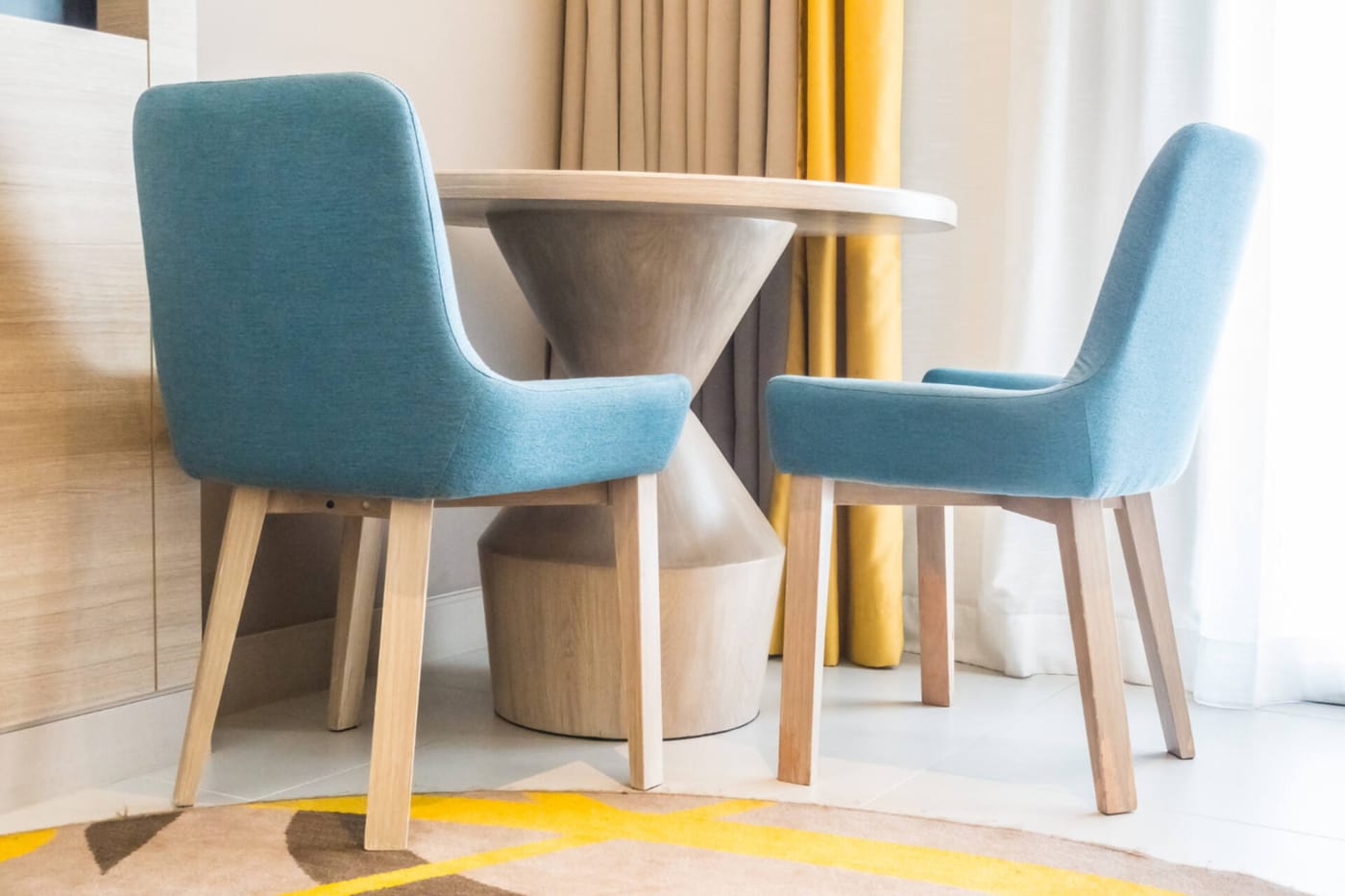
Contemporary furniture blends clean lines, modern materials, and today’s design trends into stylish, functional pieces.
Contemporary furniture has become a favorite in modern homes, thanks to its clean lines, fresh looks, and emphasis on comfort and practicality.
But what exactly makes a piece “contemporary”? More than just a style, contemporary furniture mirrors today’s design trends, which combine minimalism, modern creativity, and practical features to create spaces that feel updated and effortlessly stylish.
In this guide, we’ll explore what defines contemporary furniture and why it continues to shape the way we design and enjoy our living spaces.
What is Contemporary Furniture?
Contemporary furniture refers to pieces that reflect current design trends, which emphasize clean lines, simplicity, and functionality.
Common examples include minimalist sofas, neat coffee tables, modular shelving units, and modern accent chairs made from materials like metal, glass, and light-colored wood.
Its popularity comes from its versatility, timeless appeal, and ability to create open, stylish spaces that feel fresh, practical, and effortlessly modern.
Modern vs. Contemporary Furniture
Although often used interchangeably, modern and contemporary furniture are quite different. Modern furniture originated in the early to mid-20th century, with movements like Bauhaus and Mid-Century Modern emphasizing clean lines, minimal ornamentation, and functional design. Contemporary furniture, on the other hand, reflects today’s trends, constantly evolving to suit current lifestyles.
The main difference lies in philosophy: modern design prioritizes simplicity, geometry, and function, while contemporary design blends simplicity with comfort, innovation, and flexibility, mixing materials, colors, and textures freely. Contemporary style evolves modern design’s minimalism into dynamic, stylish spaces that remain fresh and current.
Key Characteristics of Contemporary Furniture
Before choosing contemporary pieces, it’s important to know the design principles that make them modern, comfortable, and timeless.
Natural materials
Contemporary furniture brings out the warmth of natural materials while merging them smoothly with modern design. Commonly used materials include:
- Wood – oak, walnut, maple; seen in minimalist dining tables and storage units
- Leather – sofas, chairs, and ottomans for a sleek yet cozy feel
- Stone – marble and granite for coffee tables, countertops, and accent pieces
- Bamboo & Rattan – lightweight, sustainable options for chairs, shelving, and décor
In New York, designers mix natural materials with metal, glass, and textiles to create versatile furniture that feels timeless, inviting, and effortlessly stylish, perfectly balancing organic textures with clean, modern lines.
A great local example is Room & Board, a Chelsea showroom known for its modern furniture collections that combine warm woods, sleek metals, and textured fabrics in versatile pieces.
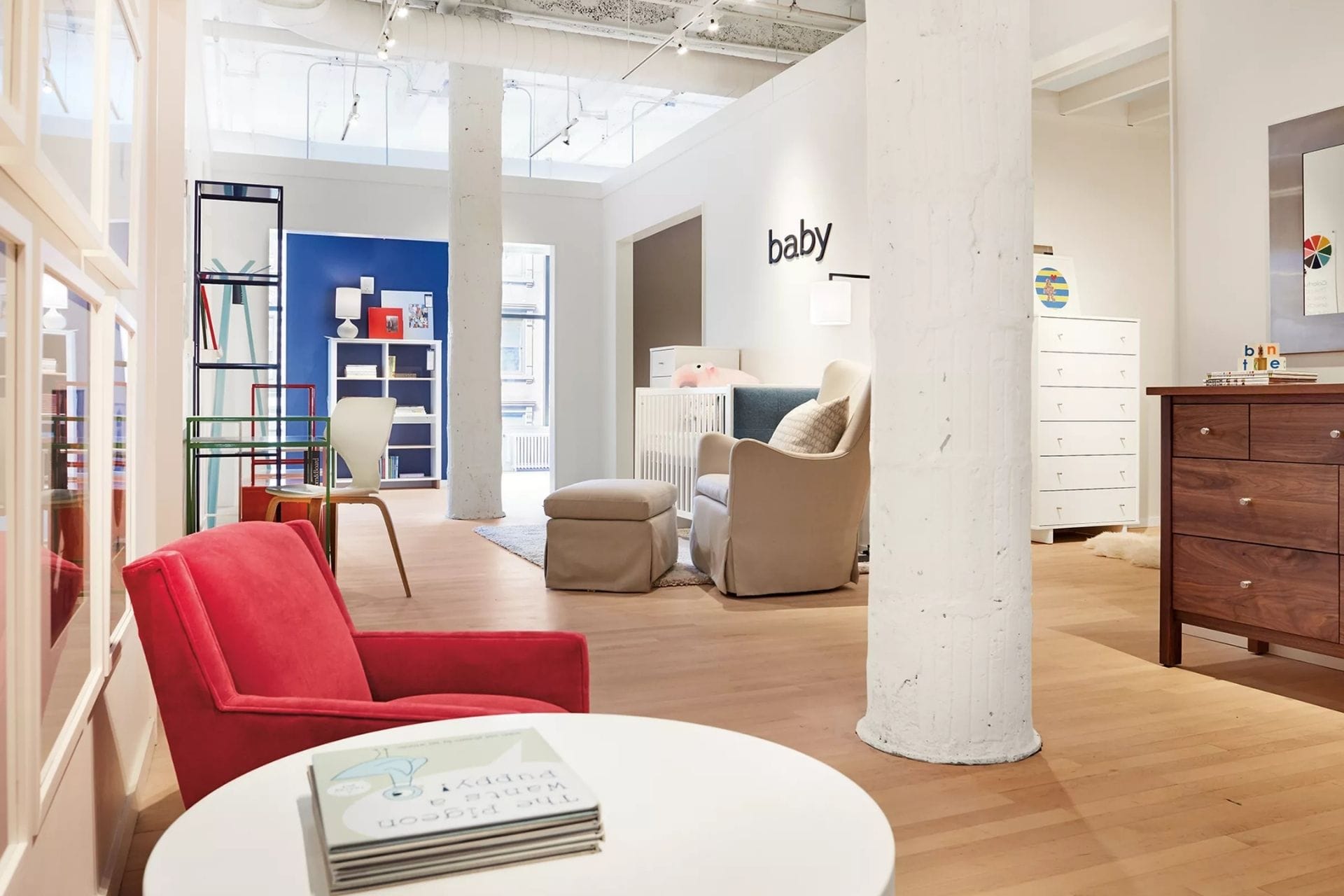
Clean lines and smooth surfaces
Contemporary furniture is recognized for its straight, clean lines and smooth, uncluttered surfaces. This minimalist approach enhances both order and openness, which results in spaces that feel airy, modern, and beautifully stylish.
Minimalist design
At the core of contemporary furniture is minimalism, which emphasizes clean lines, functional design, and open, uncluttered interiors.
Minimalist design allows each piece to make a statement without overwhelming the room. Neutral colors, clean lines, and subtle textures are commonly used to create a calm, harmonious atmosphere. This approach not only enhances the aesthetic appeal but also makes furniture versatile and adaptable.
Neutral colors with bold accent tones
Contemporary furniture often relies on a neutral color palette as a foundation, which creates a calm, versatile backdrop that highlights the furniture’s clean lines and minimalist design.
Common neutrals include white, beige, gray, taupe, and black, which help pieces blend seamlessly into a variety of interiors.
To add personality and visual interest, designers often incorporate bold accent tones through cushions, rugs, chairs, or decor. Popular accent colors include deep navy, emerald green, mustard yellow, burnt orange, and rich burgundy. They add a modern, refined touch without overwhelming the space.
Functional design
Functionality is at the heart of contemporary furniture. Each piece is designed not only to look stylish but also to serve a practical purpose. This thoughtful balance makes everyday living more convenient and efficient. Furniture often features modular components, storage solutions, multi-purpose designs, and flexible layouts to adapt to changing needs and spaces. Contemporary furniture combines style and utility, with functional design that blends form and function effortlessly.
Benefits of Contemporary Furniture
Understanding its key features, let’s move on to the benefits that make contemporary furniture a favorite.
Timeless appeal
One of the biggest advantages of contemporary furniture is its timeless appeal. Thanks to its clean lines, minimalist design, and focus on function, these pieces never feel outdated. Unlike overly trendy styles, contemporary furniture adapts effortlessly to changing interior trends and personal tastes. Contemporary furniture keeps your home looking fresh and stylish for years. It’s a smart, long-lasting investment for any living space.
Creates spaciousness
Contemporary furniture is designed to make rooms feel open and uncluttered. Its clean lines, minimalist forms, and functional layouts help maximize space, giving even smaller areas a sense of airiness. Pieces such as low-profile sofas, modular shelving, and open-frame tables allow for better flow and prevent a crowded or busy look.
Multi-functional
A standout feature of contemporary furniture is its multi-functional design. Many pieces serve more than one purpose, which combines style with practicality to meet the demands of modern living. Examples include sofas with hidden storage, extendable dining tables, modular shelving units, and beds with built-in drawers.
Comfort
Comfort is a key advantage of contemporary furniture. While showcasing clean, modern lines, contemporary furniture is designed to provide ergonomic support for everyday life. Sofas, chairs, and beds often feature plush cushions, supportive frames, and thoughtfully designed seating heights to ensure both style and comfort.
Durable
Contemporary furniture is designed to be both stylish and long-lasting. Many pieces are crafted from high-quality materials such as solid wood, metal, glass, and durable fabrics, ensuring they withstand daily use while maintaining their modern appeal.
This durability makes contemporary furniture a smart investment. Contemporary pieces pair lasting quality with refined design, which gives you furniture that stays beautiful and reliable for years.
Easy maintenance
Contemporary furniture is designed with practicality in mind. It is easy to care for and maintain. Smooth surfaces, minimalist designs, and durable materials such as metal, glass, and treated wood allow for quick cleaning and simple upkeep.
Cushions and upholstery are often removable or made from stain-resistant fabrics, further enhancing convenience. This ease of maintenance makes contemporary furniture ideal for busy urban homes in New York or family living spaces, allowing homeowners to enjoy modern style without the stress of complicated cleaning routines.
Decorating with Contemporary Furniture
Decorating with contemporary furniture is all about creating a balanced, inviting, and stylish space while keeping the minimalist aesthetic intact. Here’s how to achieve it:
While contemporary furniture often emphasizes clean lines and simplicity, it’s important to avoid a cold or sterile feel. Introduce warm textures like natural wood, leather, or soft textiles such as area rugs and throw blankets. Mix different materials and finishes to add depth, and balance sleek, streamlined pieces with a few softer, rounded forms to create harmony and comfort.
Lighting plays a crucial role in contemporary interiors. Use layered lighting with a combination of ambient, task, and accent lights to highlight furniture shapes and textures.
Spotlights or LED strips can draw attention to clean lines, while floor and table lamps with sculptural designs can complement the furniture’s aesthetic. Natural light is also a key element in contemporary spaces, so keep windows unobstructed whenever possible.
Contemporary interiors in New York rely on strategic lighting to showcase furniture, emphasize textures, and create visually dynamic, modern spaces.
At showrooms like Luke Lamp Co. in Nolita, designers use a mix of ambient, task, and accent lighting to create depth and highlight furniture features. The space features sculptural lighting and layered illumination, which highlight furniture shapes, textures, and finishes in contemporary settings.
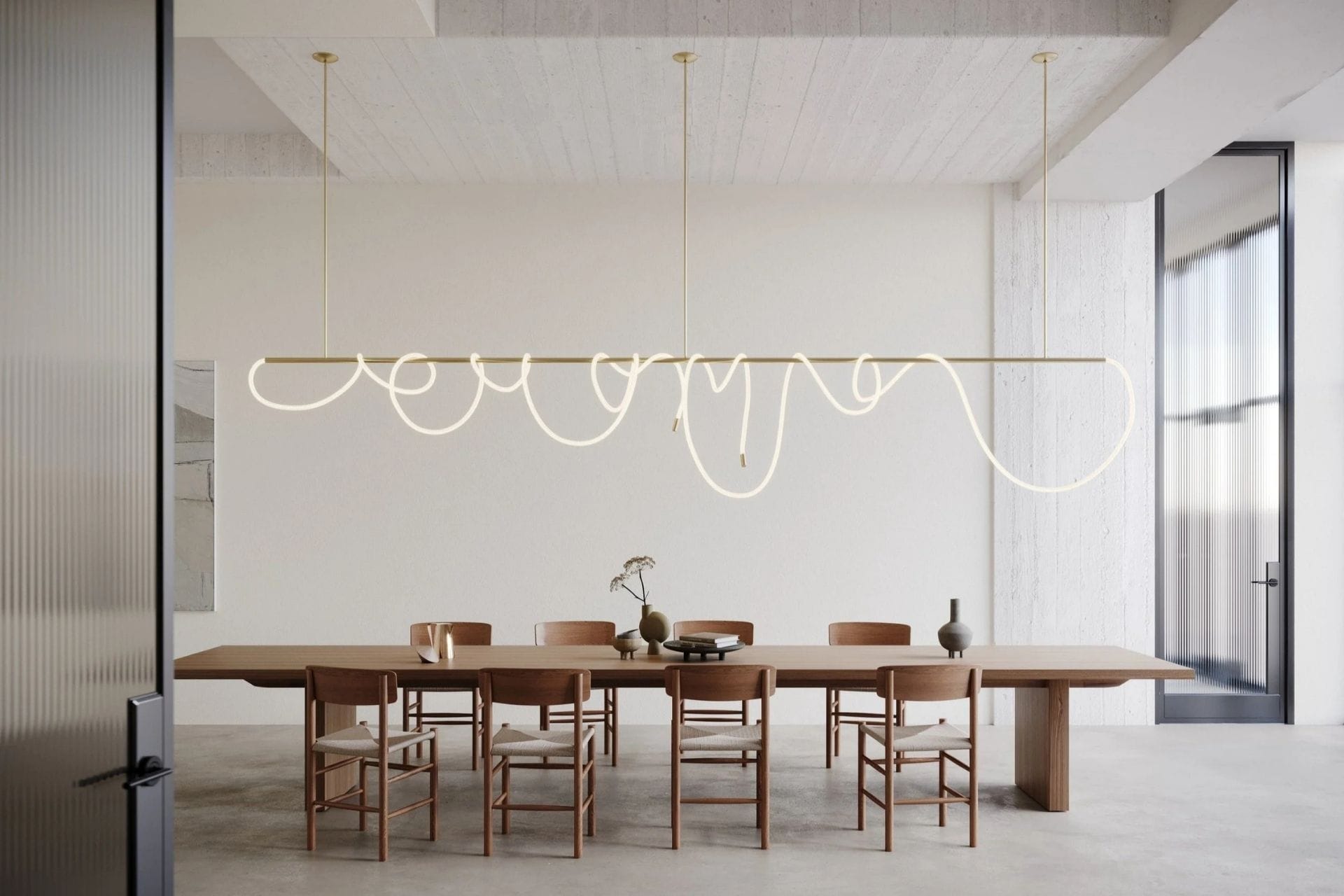
Artwork and décor bring personality to a contemporary space without overwhelming it. Choose bold, statement pieces or abstract art to contrast minimalist furniture, or use sculptural objects, vases, and plants to add interest and visual balance. Keep accessories minimal but intentional, allowing each piece to contribute to the overall harmony of the room.
Summary
Featuring clean lines, natural materials, and functional design, contemporary furniture transforms interiors into inviting, flexible spaces. Layered lighting, textures, and accents bring the style together for a timeless modern appeal.
Partner with New York’s trusted commercial furniture installation expert and explore pieces that redefine modern living. Browse Artistic Display’s customized collection of contemporary furniture designs to start transforming your interior today.