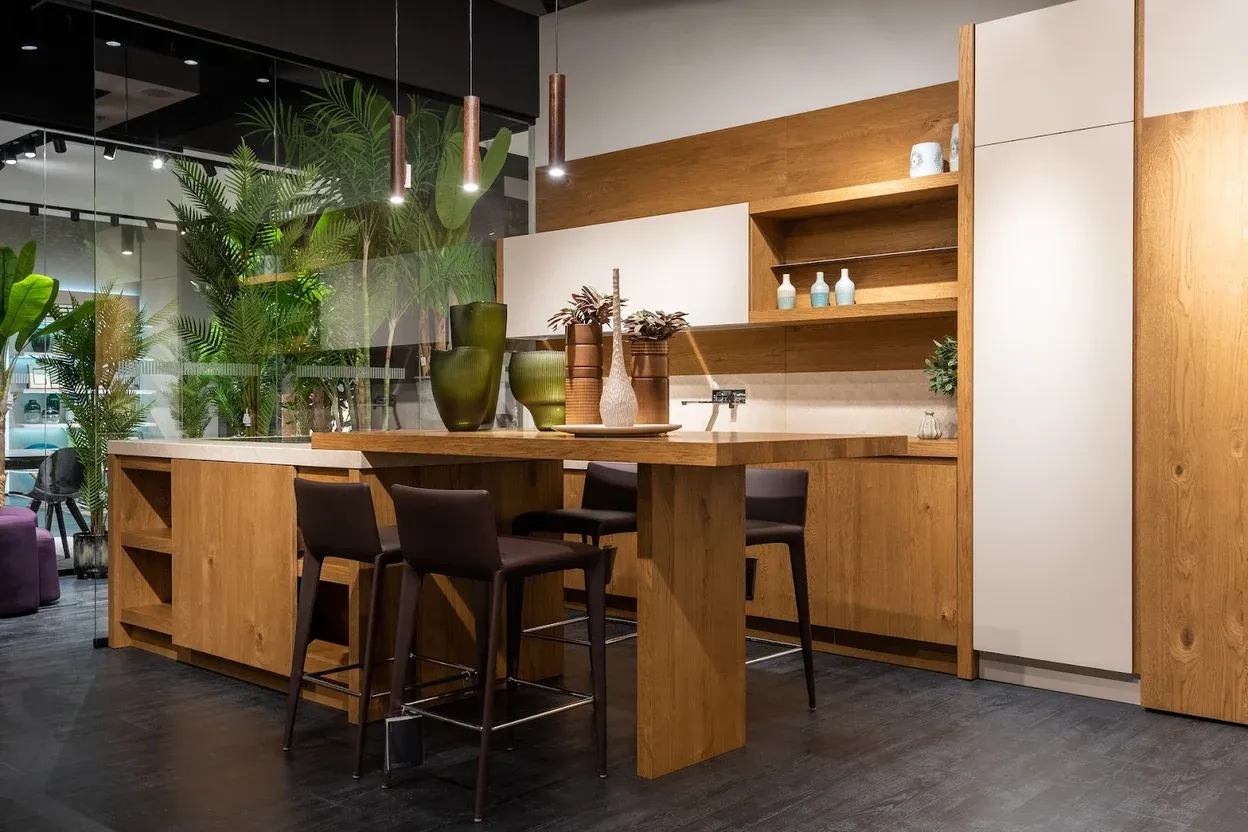
An angular store layout uses curved pathways and angled displays to create a smooth, visually engaging shopping flow. It’s a flexible design approach that can be customized to match your store’s size, brand identity, and merchandising goals.
In retail, the layout of your store has a direct impact on customer flow, product visibility, dwell time, and ultimately sales. While many retailers are familiar with grid or loop layouts, fewer understand the advantages of the angular store layout.
Known for its open sightlines, curved walkways, and premium feel, this design approach is becoming increasingly popular among New York retailers who want a modern and engaging shopping experience.
If you’re wondering what an angular store layout is and whether it’s right for your retail space, this guide breaks it all down.
What is an Angular Store Layout?
An angular store layout (also called a free-flow or curved layout) uses angled or curved displays, rounded fixtures, and open pathways to create a more fluid, visually appealing shopping environment. Instead of rigid straight aisles like a grid layout, the angular layout encourages customers to wander, explore, and interact with products in a more relaxed, natural way.
The goal is simple: slow down shoppers just enough to engage them without overwhelming them.
Key Characteristics of an Angular Store Layout
Before diving deeper into the benefits, it’s important to understand the core features that make an angular store layout unique.
Curved elements
Curved elements are one of the defining features of an angular store layout, creating a smooth and natural flow throughout the space. In place of the rigid, straight aisles found in traditional grid layouts, curved pathways gently guide customers from one area to the next, which encourages them to explore at a comfortable pace.
Angled display fixtures
Angled display fixtures are used to enhance movement and create visual interest within an angular store layout. Rather than having shelves and tables positioned in straight, predictable lines, angled fixtures break up the space and guide customers toward featured products.
Premium stylish atmosphere
An angular store layout naturally creates a premium and stylish atmosphere, which makes the entire space feel more refined and modern. The open pathways, curved forms, and carefully angled displays work together to produce a high-end look that stands out from traditional retail environments.
Emphasis on visual appeal
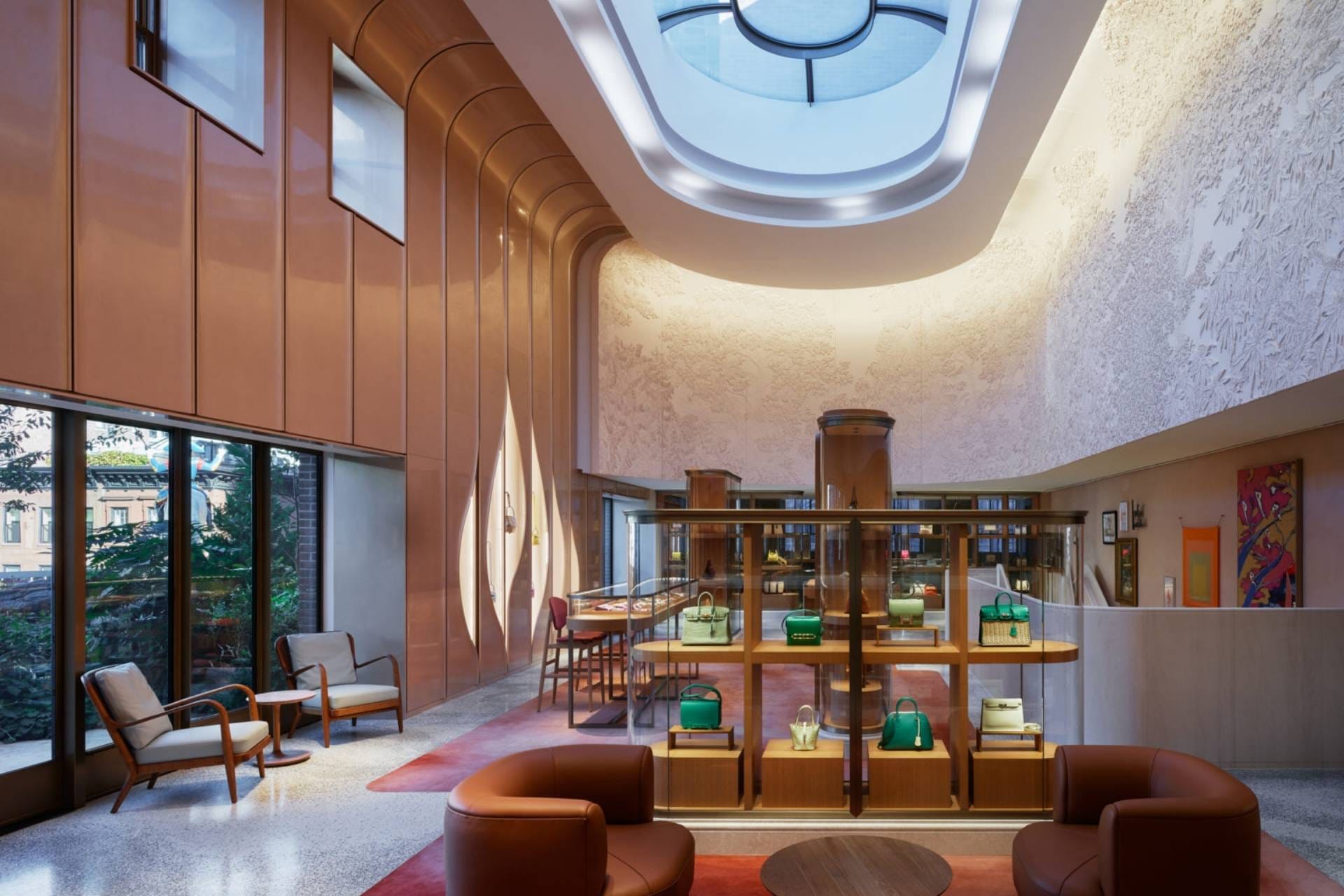
One of the main strengths of an angular store layout is its strong emphasis on visual appeal. The combination of curved pathways, angled displays, and open sightlines allows retailers to create eye-catching focal points and showcase products more effectively. For instance, New York’s Hermès flagship on Madison Avenue incorporates sensuously curved textured walls and open spaces to highlight its luxury goods.
Best for specialty stores
Angular store layouts are particularly well-suited for specialty stores, boutiques, and luxury retail spaces. Their open, flowing design allows retailers to highlight curated product selections and create immersive shopping experiences that align with the brand’s identity.
Advantages of Angular Store Layout
Now that we’ve explored the key characteristics of an angular store layout, it’s time to look at the advantages it offers for retailers and their customers.
Aesthetic appeal
One of the biggest advantages of an angular store layout is its strong aesthetic appeal. The integration of curved pathways, angled fixtures, and open spaces gives the store a modern, stylish, and unique look that immediately catches the eye.
Encourages slower movement
An angular store layout naturally encourages customers to move more slowly through the space. The curved pathways and angled fixtures guide shoppers along a meandering route rather than straight, direct aisles, which gives them time to explore different sections and discover products they might otherwise overlook.
Gives a premium vibe
An angular store layout helps create a premium, high-end vibe that elevates the shopping experience. The blend of open spaces, curved pathways, and stylish angled fixtures conveys sophistication and attention to detail, which makes the store feel more luxurious than traditional layouts.
Differentiates the store from standard layouts
An angular store layout sets a retail space apart from the typical grid or linear designs seen in most stores. Its unique merging of curved pathways, angled fixtures, and open sightlines creates a distinctive shopping environment that immediately feels different and memorable.
Disadvantages of Angular Store Layout
While angular store layouts offer many benefits, it’s important to consider their potential drawbacks before deciding if this design is the right fit for your retail space.
Less space efficiency
One of the main disadvantages of an angular store layout is that it is less space-efficient than traditional grid designs. The curved pathways and angled fixtures often take up more floor area. This leaves less room for shelving and product displays.
More expensive to design and build
Another drawback of an angular store layout is the higher cost associated with its design and construction. Curved pathways, custom angled fixtures, and premium materials often require specialized fabrication and careful planning, which can drive up both initial build and ongoing maintenance expenses.
Not always ideal for large stores or supermarkets
Angular store layouts are not always the best choice for large stores or supermarkets. The flowing, curved pathways and open design can reduce the number of aisles and limit product density, which may hinder efficient shopping in high-traffic environments.
Can confuse customers if overdone
While angular store layouts are designed to guide customers naturally, they can sometimes create confusion if overdone. Excessive curves, irregular angles, or overly complex pathways may make it difficult for shoppers to find what they’re looking for, especially in larger stores.
Tips for Implementing an Angular Layout
If you’re considering an angular store layout, following a few key tips can help you create a space that is both visually appealing and shopper-friendly.
Balance between aesthetics and functionality
When implementing an angular store layout, it’s essential to balance aesthetics with functionality. While curved pathways and angled fixtures create a visually striking environment, the design must still allow customers to move easily and access products without frustration.
Thoughtful fixture placement, clear pathways, and accessible product displays help retailers build a layout that balances beauty and function while enhancing the overall shopping experience.
Use lighting to highlight products along angled displays
Lighting plays a crucial role in making an angular store layout both functional and visually appealing. Strategically placing lights along curved pathways and angled displays draw attention to featured products and creates focal points throughout the store.
Take, for example, Apple’s Fifth Avenue flagship store in New York City. Its renovated design includes “sky lenses” (skylights) and adaptive LED lighting inside, which not only highlights its signature curved staircase and product tables but also reinforces the modern, premium atmosphere.
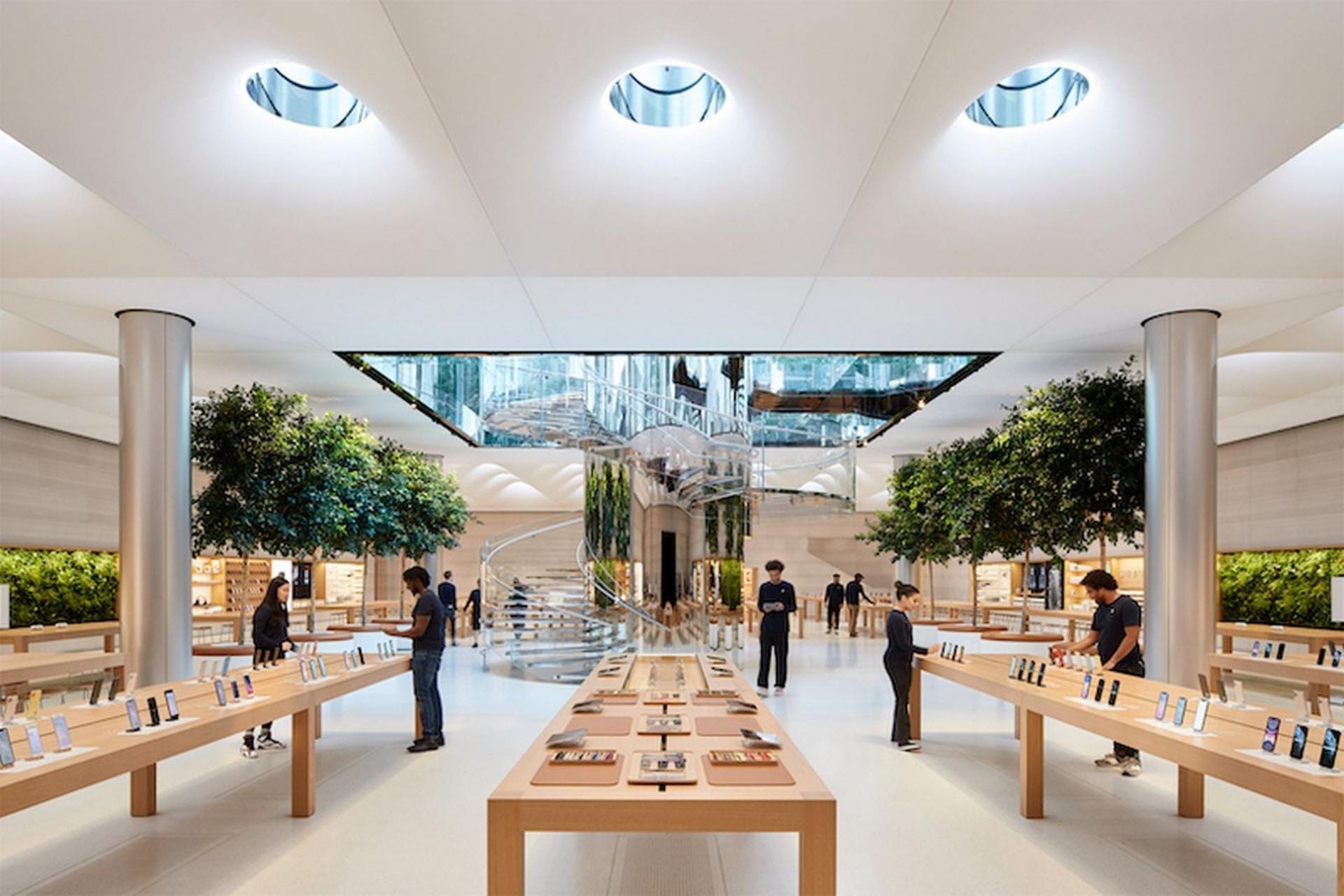
Proper lighting not only guides customers through the space but also reinforces the premium, modern atmosphere that angular layouts are designed to create.
Ensure walkways are still comfortable and accessible
Even with an angular store layout, it’s important to keep walkways comfortable and accessible for all shoppers. Curved pathways and angled fixtures should be designed with enough space to allow easy movement, including for strollers, wheelchairs, or groups of customers.
Prioritizing clear, navigable paths helps retailers maintain a pleasant shopping experience while still showcasing products creatively and effectively.
Summary
An angular store layout is a modern, visually appealing approach to retail design that encourages exploration, elevates brand perception, and supports creative merchandising.
While it may require more investment and isn’t ideal for every type of retail store, it’s an excellent choice for brands that prioritize customer experience and product storytelling.
Whether you’re redesigning your current store or starting from scratch, Artistic Display is an expert in commercial furniture installation solutions in New York. We can help you build a space that impresses customers and keeps them coming back.