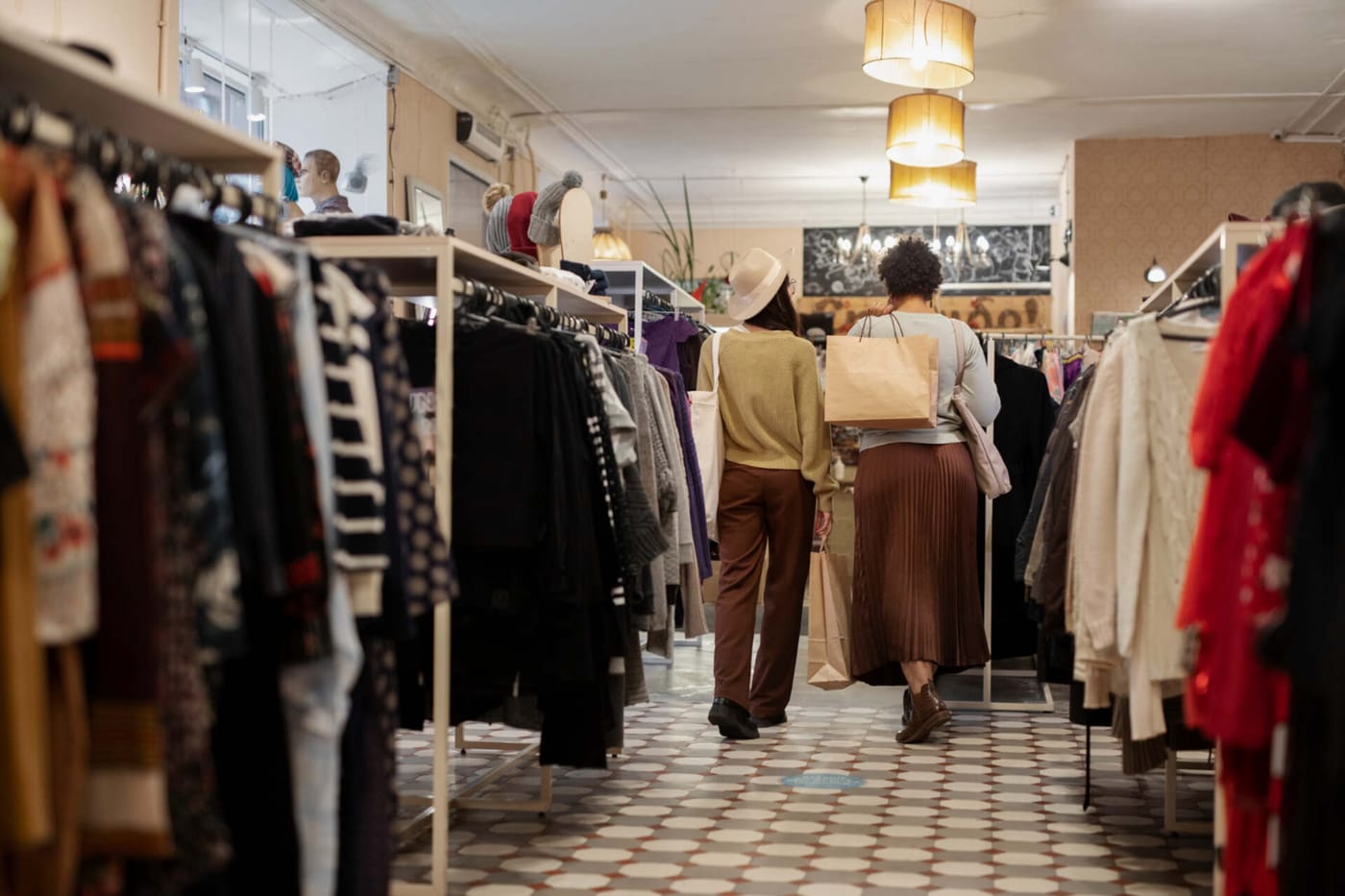
Boutique layouts turn your retail space into an inviting, memorable environment. Every corner, display, and fixture works together to tell your brand’s story.
Running a small specialty store in New York can feel like a big adventure. Whether you’re tucked into a bustling street in SoHo, near the trendy shops of Williamsburg, or in a cozy upstate town, how your store looks and feels can impact customer behavior.
A boutique store layout is a retail design that arranges products, fixtures, and spaces to create an intimate, stylish, and memorable shopping experience. It emphasizes aesthetic appeal and flexibility.
We’ll walk you through the essentials of a boutique layout, show why it works, and share tips on how to set it up to give your New York specialty store a unique edge.
What is a Boutique Store Layout?
A boutique store layout is a type of retail design that focuses on creating a personalized retail atmosphere. Instead of long aisles or rows of identical shelves, it uses small, themed sections, like mini “shops within a shop,” to highlight products.
Imagine a small jewelry boutique in Brooklyn. Instead of lining up all the pieces in one display case, the owner sets up cozy alcoves — one for handmade necklaces, another for engagement rings, and another for vintage finds.
Each area has its own lighting and decor, so customers are invited to slow down and explore every corner.
Key Characteristics of a Boutique Store Layout
If you want your specialty store in New York to feel unique and inviting, understanding the core features of a boutique layout is the first step. Here are its main characteristics:
Smaller, curated space
Boutique stores usually have limited floor space, which allows you to focus on carefully selected products rather than overcrowding shelves. This makes it easier for customers to notice and appreciate your best items.
Distinct product zones
Products are organized into specific areas or mini-sections, sometimes called alcoves or shop-in-shop zones. Each section can tell a story or showcase a theme.
For instance, a New York boutique selling home goods might have one alcove dedicated to artisanal candles, another for hand-painted ceramics, and a third featuring locally made textiles.
Irregular floor arrangement
Unlike grid layouts with straight aisles, boutique stores use angled displays, clusters, or open pathways. This encourages customers to explore the space and spend more time browsing.
Distinctive fixtures and décor
Shelving, tables, and display props are carefully chosen to match your brand’s style. This not only supports product presentation but also reinforces your brand’s personality throughout the store.
Advantages of Boutique Store Layout
A boutique layout can give your store a competitive edge, helping you stand out in neighborhoods from SoHo to Brooklyn’s Williamsburg. Here’s how:
Creates a unique brand identity
With a boutique layout, every section, display, and fixture reflects your store’s personality. This helps customers instantly recognize your brand and remember it long after they leave.
For example, a small Manhattan tea shop can design cozy alcoves and curated shelves that reflect its artisanal, local vibe. This turns casual visitors into loyal fans.
Supports higher perceived value
When products are showcased thoughtfully in themed zones or focal displays, customers see them as more special and valuable. A curated selection of handcrafted jewelry in a Brooklyn boutique, for instance, feels more exclusive than the same pieces in a crowded chain store.
Flexible & adaptable
Boutique layouts are easy to update with new collections, seasonal items, or special promotions. This adaptability allows New York store owners to keep their spaces fresh and relevant, responding quickly to trends or local events without major renovations.
Enhances customer experience
The combination of irregular layouts and small, themed zones creates a relaxed and approachable atmosphere, which allows shoppers to explore products at their own pace and enjoy a personal, engaging experience.
Disadvantages of Boutique Store Layout
While boutique layouts offer many benefits, they also come with some challenges that every store owner should consider before redesigning their space. Know these limitations so you can plan effectively and avoid potential pitfalls.
Limited space utilization
Because boutique layouts prioritize small, curated zones and open pathways, they often use floor space less efficiently than traditional grid layouts. This can limit the number of products you can display, which may affect inventory turnover in high-demand locations like Manhattan or Brooklyn.
Potential for confusion
Irregular floor arrangements and multiple themed sections can sometimes make it harder for customers to navigate the store, especially if signage isn’t clear. Shoppers may miss certain areas or feel unsure where to go next, which could impact sales.
Higher setup & maintenance cost
Boutique layouts often require customized fixtures, unique displays, and carefully designed décor. These elements can be more expensive to install and maintain compared with standard shelving or racks, particularly in competitive New York retail markets.
Risk of overcrowding or underutilization
Because spaces are divided into smaller zones, it’s easy to either overcrowd a section or leave areas underused. Overcrowding can overwhelm customers, while underutilized spaces can make your store feel empty or disorganized. This may affect the overall shopping experience.
How to Implement a Boutique Store Layout
The next step is figuring out how to set it up in a way that works for your New York specialty store. The key is combining functionality with a personalized shopping experience that reflects your brand. Here’s how successful boutique stores do it:
Create a decompression zone
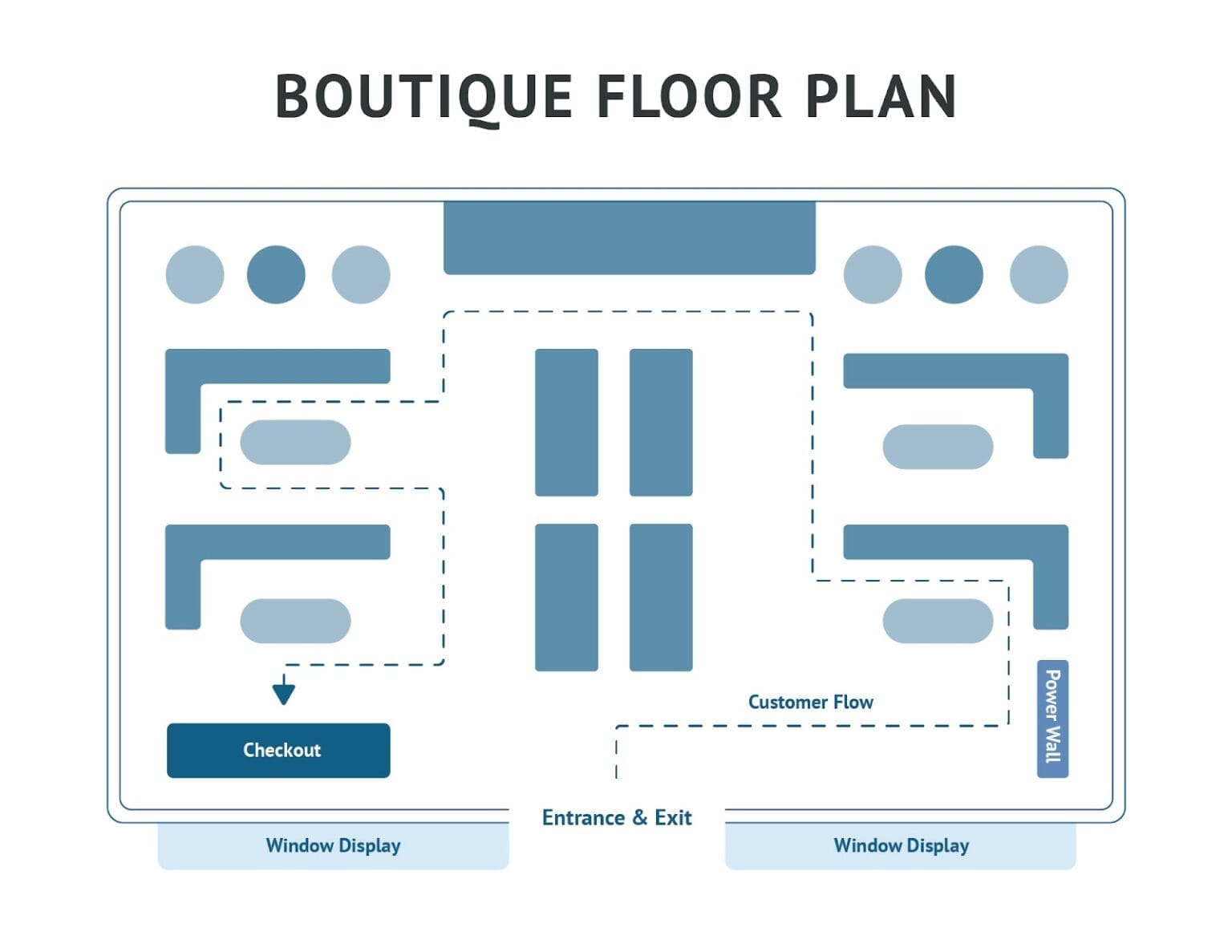
Start by designing a welcoming space near the entrance where customers can adjust to the store environment. A small clothing boutique, for instance, can leave a clear open area as soon as shoppers walk in, allowing them to pause, take in the surroundings, and feel comfortable before exploring the displays.
Design a clear path
Even with a free-flow layout, shoppers benefit from a subtle route that guides them through key product areas. A home décor shop, for instance, may use a combination of angled shelving and low display tables to encourage natural circulation, subtly directing visitors from one themed alcove to another.
Place a power-wall
Feature your most important or eye-catching products on a “power wall” — a prominent display that immediately draws attention. A Manhattan artisanal chocolate shop, for example, highlights seasonal flavors and bestsellers on a brightly lit back wall, which could be the first stop for every customer.
Incorporate lighting
Lighting is critical for both product visibility and mood. Upstate New York boutique candle shops often use soft, focused lighting in each alcove to highlight the textures and colors of their products, creating a cozy, inviting atmosphere that encourages lingering.
Add seating and mirrors
Comfort enhances shopping. In a fashion boutique, small benches and mirrors allow customers to try on accessories or garments while resting to make the experience more personal and leisurely. This approach works well in both apparel and specialty jewelry stores.
Keep fixtures cohesive
Choose displays, shelving, and tables that match your brand identity. A ceramics shop, for instance, may have reclaimed wood tables across all alcoves to reinforce the artisanal, eco-friendly vibe of the store while keeping the space visually unified.
Use “speed bumps”
Small display tables, rugs, or decorative partitions can act as “speed bumps” to slow customers down and encourage exploration. At a Chelsea boutique selling handcrafted soaps, carefully placed tables break up the open floor plan, which would invite shoppers to stop, smell, and interact with products rather than rush through.
Tips for Success
Invest in custom fixtures that showcase your brand’s personality. Choose shelving, tables, and display cases that highlight your products and communicate your store’s style. Sleek, minimalist displays emphasize modern elegance, while warm wood or vintage-style shelving creates a cozy, inviting atmosphere.
When your fixtures reflect your brand identity, you help customers recognize what makes your store unique and make their visit memorable.
Update your layout regularly to keep customers engaged. Rotate product groupings, adjust display tables, and rearrange themed sections to highlight new collections, seasonal items, or special promotions.
Even small changes can make the store feel fresh and encourage shoppers to explore the space again. They discover something new each time they visit.
Summary
Boutique store layouts prioritize a curated, flexible design that highlights products and guides shoppers through a unique, engaging experience. Done well, they make your store feel personal, inviting, and unforgettable.
Bring your vision to life with Artistic Display. We offer fully commercial furniture installation solutions in New York at competitive prices to help you create a boutique that truly stands out.