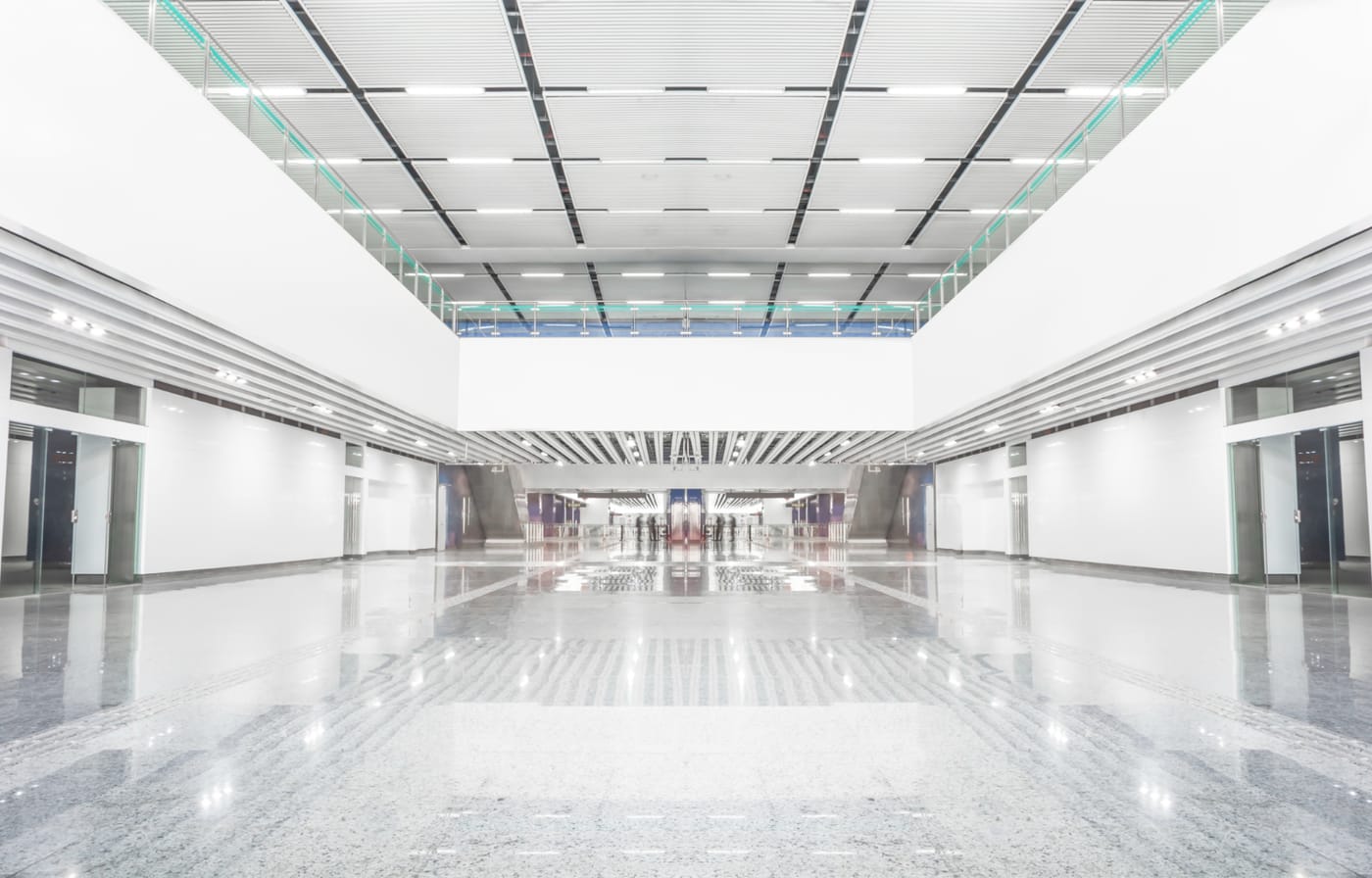
Immersive layouts, bold statement pieces, and seamless omnichannel experiences are just a few ways to elevate your showroom’s design and customer experience in 2025.
Interior design is entering a new chapter, shaped by modern technology, interactive layouts, and stylish features that blend retail with art. From high-end fashion houses to modern furniture galleries, showrooms are rethinking how to captivate shoppers the moment they step inside. This change is especially clear in New York, where creative brands use bold displays, multisensory setups, and unique designs that turn browsing into a full experience.
Whether you're refreshing an existing space or building a showroom from the ground up, understanding the latest trends can help you attract customers, tell your brand story, and boost sales. In this article, we’ll learn the 10 showroom interior design ideas and trends defining 2025 and how you can apply them to create a space that truly stands out.
10 Showroom Interior Design Ideas and Trends in 2025
To help you create a showroom that captivates customers and boosts conversions, here are the 10 biggest interior design trends for 2025.
1. Immersive & Experiential Layouts
Showrooms in 2025 are no longer just display spaces; they are full-scale experiences. Immersive layouts invite customers to touch, feel, and interact with products in realistic environments that turn passive browsing into active engagement. From staged lifestyle zones to walkthrough product journeys, brands are creating spaces that tell a story and make every visit unforgettable.
An example is Samsung 837 in New York’s Meatpacking District, a flagship “experience center” that replaces traditional retail with interactive zones, digital playgrounds, and immersive product demos. Visitors can explore smart home setups, test cutting-edge technology in themed environments, and engage with multimedia installations, all designed to showcase products through experience rather than display.
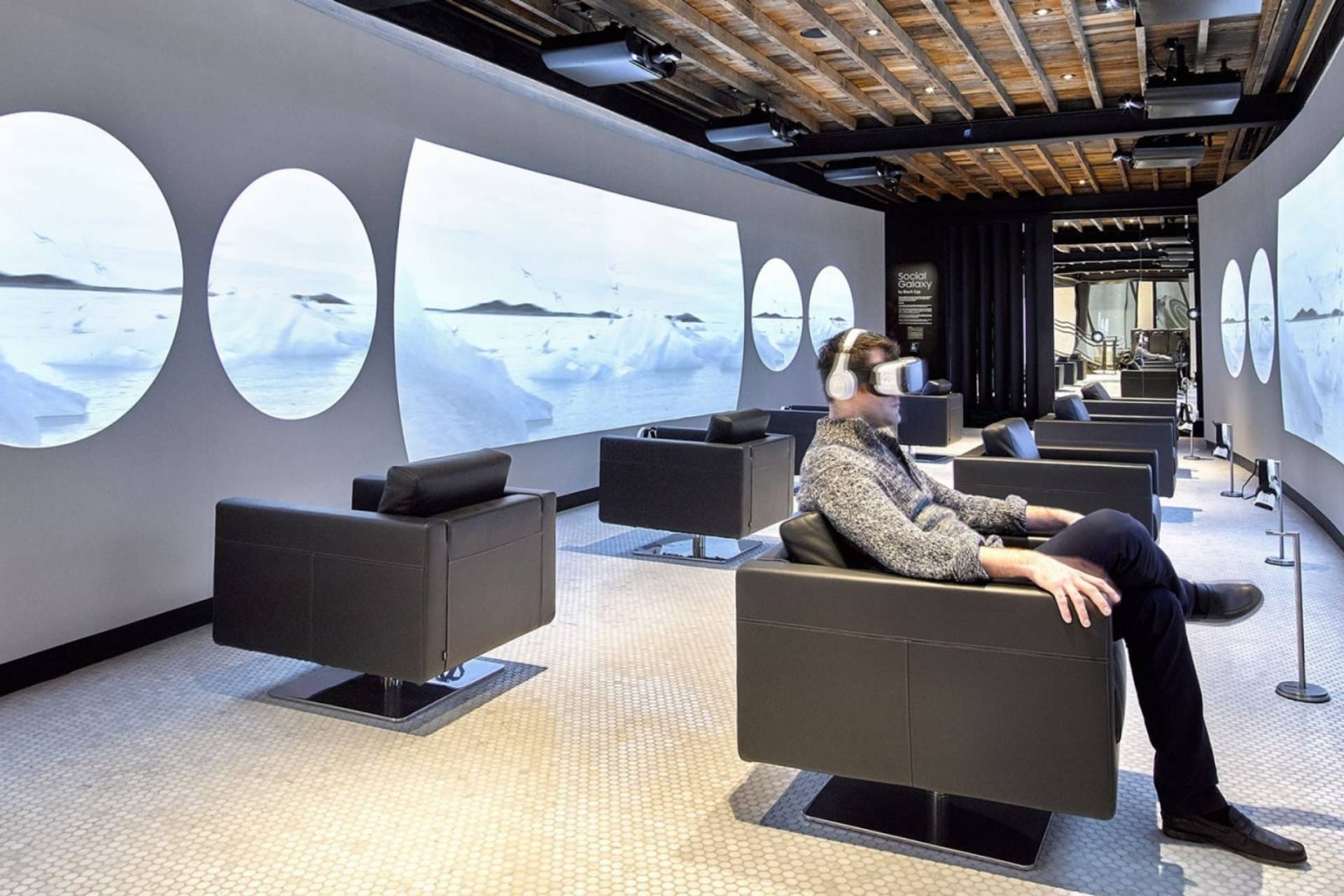
This approach is becoming increasingly popular across New York, where competition is fierce, and showrooms must deliver more than aesthetics. They must deliver an experience.
2. Minimalist Luxury Aesthetic
Minimalism is evolving into a more refined, luxurious form. Clean lines, curated materials, and spacious displays that let each product speak for itself. This aesthetic creates a calm, high-end atmosphere that feels intentional rather than empty, which makes every item look like a work of art. Neutral palettes, premium textures, and strategic lighting remain the core elements, but the focus is now on creating a sense of quiet sophistication that elevates the entire showroom experience.
This trend is ideal for brands wanting to convey elegance, craftsmanship, and premium value without overwhelming the customer.
3. Smart Lighting & Dynamic Displays
Smart lighting refers to advanced lighting systems that automatically adjust brightness, color temperature, time of day, or specific product highlights. This technology helps guide customers naturally through the space by using targeted light to highlight key items, improve product visibility, and set a mood that matches the brand’s identity.
Paired with interactive digital displays, brands can highlight new arrivals, demonstrate product features with just a tap. The result is a more engaging, high-tech environment that captures attention.
Smart lighting and dynamic displays are perfect for brands looking to modernize their showroom, boost product visibility, and create an unforgettable customer experience.
4. Sustainable & Eco-Friendly Materials
As consumers become more environmentally conscious, showrooms in 2025 are embracing sustainability as a core design philosophy. Brands are incorporating recycled metals, reclaimed wood, low-VOC paints, natural textiles, and biodegradable displays to create spaces that feel both modern and responsible. These eco-friendly choices don’t just reduce environmental impact; they also communicate authenticity and values, which helps customers connect with the brand on a deeper level.
For showroom owners, to integrate these materials is more than a design choice; it’s a statement of purpose that appeals to a growing segment of mindful consumers.
5. Flexible & Modular Spaces
With trends, collections, and customer needs changing faster than ever, flexible and modular layouts allow brands to refresh their space without expensive rebuilds. Movable partitions, modular shelving, interchangeable displays, and multi-use zones make it easy to adapt for new product launches, seasonal changes, or special events. For modern showrooms, this level of adaptability is essential, which helps businesses stay agile, future-proof, and visually compelling no matter what’s next.
6. Integration of Digital Technology
Digital integration is no longer optional, it's the backbone of a modern showroom experience. Touchscreen catalogs, AR product visualizers, virtual try-ons, QR-enabled product details, and mobile-guided tours are becoming standard across forward-thinking retail spaces. These tools allow customers to explore deeper product information, customize options on the spot, and interact with the brand in a more intuitive, tech-driven way. The goal is seamless convenience, with physical displays connected to digital tools to enhance engagement and simplify the buying journey.
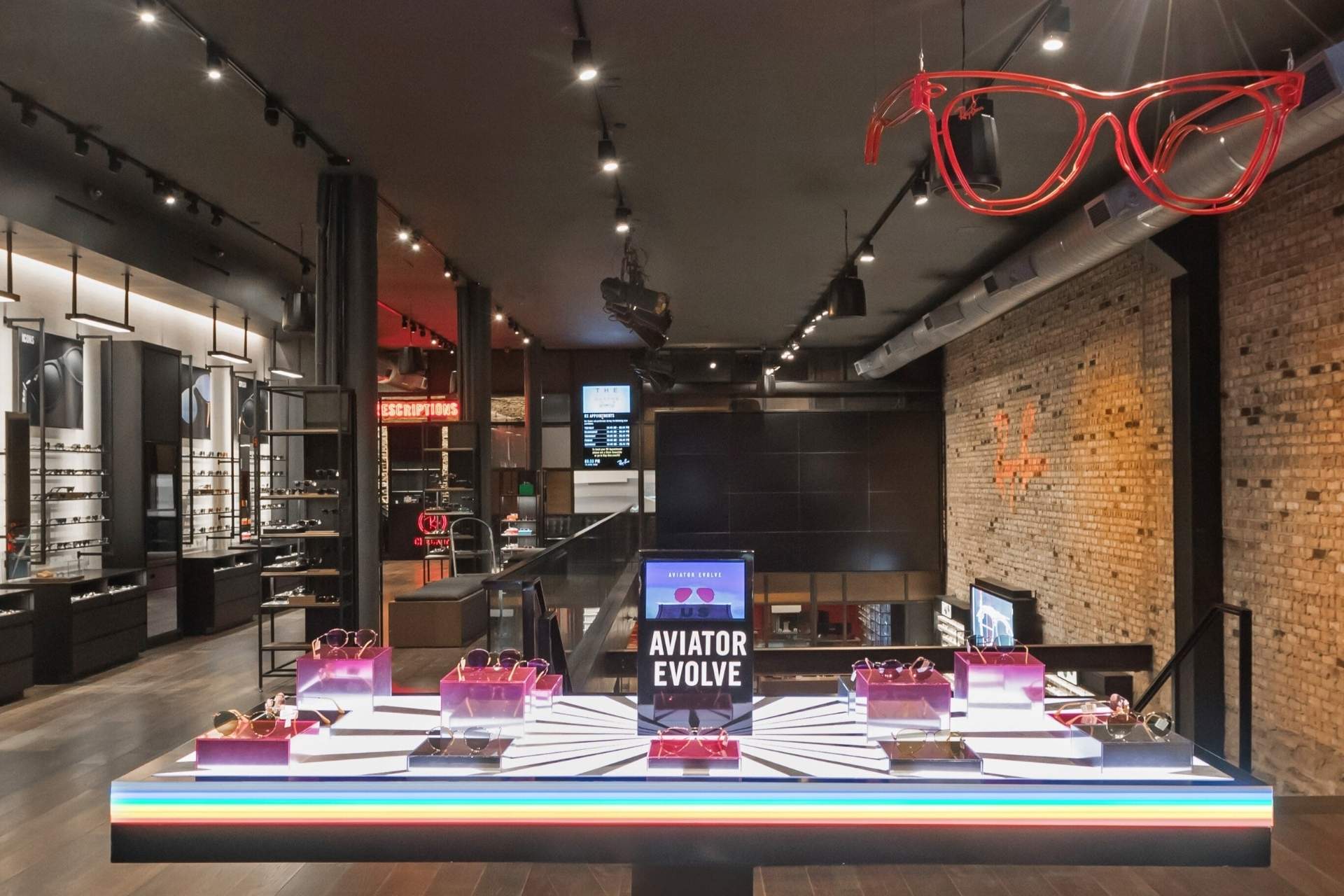
A leading New York example is the Ray-Ban Flagship Store in SoHo. Customers can use interactive mirrors with AR try-on features to see how different frames look in real time, browse product variations via touchscreen displays, and customize eyewear using digital tools before purchasing. This smooth integration of tech adds personalization and reduces decision fatigue.
7. Bold Accent Colors & Statement Pieces
At present, showrooms are using bold accent colors and statement pieces to create visual impact and draw attention to key products. Strategic pops of color, oversized furniture, sculptural decor, or eye-catching installations can break up neutral palettes and guide customers’ focus to featured collections.
This approach adds personality to the space while making the showroom memorable long after a visit. Incorporating bold accents and statement elements allows showrooms to combine artistry with function, which ensures that every corner tells a story and leaves a lasting impression.
8. Lifestyle-Centric Showroom Design
In 2025, showrooms are moving beyond simple product displays to create lifestyle-centric environments that let customers envision products in real-life settings. When brands create spaces that reflect real living or working environments, shoppers naturally imagine how the products fit into their daily lives. This approach builds emotional connections and helps customers make confident purchasing decisions.
Lifestyle-centric design allows brands to tell a story, create aspirational spaces, and provide a shopping experience that feels personal and relatable.
9. Seamless Omnichannel Integration
The modern showroom extends far beyond its physical walls. Seamless omnichannel integration ensures that customers enjoy a consistent, connected experience whether they interact online, in-store, or via mobile apps. This means inventory, promotions, and customer data are synchronized across all touchpoints, which makes it easy for shoppers to browse, purchase, or return products wherever and whenever they choose.
Investing in omnichannel connectivity strengthens customer loyalty and drives sales by making the shopping journey fluid, frictionless, and memorable.
10. Comfort-Driven Lounge Areas
Today, showrooms are evolving into spaces where customers can relax, linger, and truly enjoy the shopping experience. Comfort-driven lounge areas provide seating, refreshments, and cozy corners. These spaces are designed to spark engagement, conversations, and a sense of hospitality that strengthens brand connection.
Integrating lounge areas into your showroom isn’t just about aesthetics, it’s about creating a welcoming atmosphere that invites customers to stay, explore, and connect with your brand on a personal level.
Summary
Showroom design in 2025 is all about creating meaningful, memorable experiences that go far beyond traditional product displays. From smart lighting and digital technology to lifestyle-centric layouts, sustainable materials, and comfort-driven spaces, these trends reflect how customers now expect showrooms to feel immersive and deeply personalized.
Ready to elevate your showroom? Bring your vision to life with Artistic Display, we specialize in commercial furniture installation solutions across New York. We can help you transform your showroom and give your customers an unforgettable experience from the moment they walk in.